
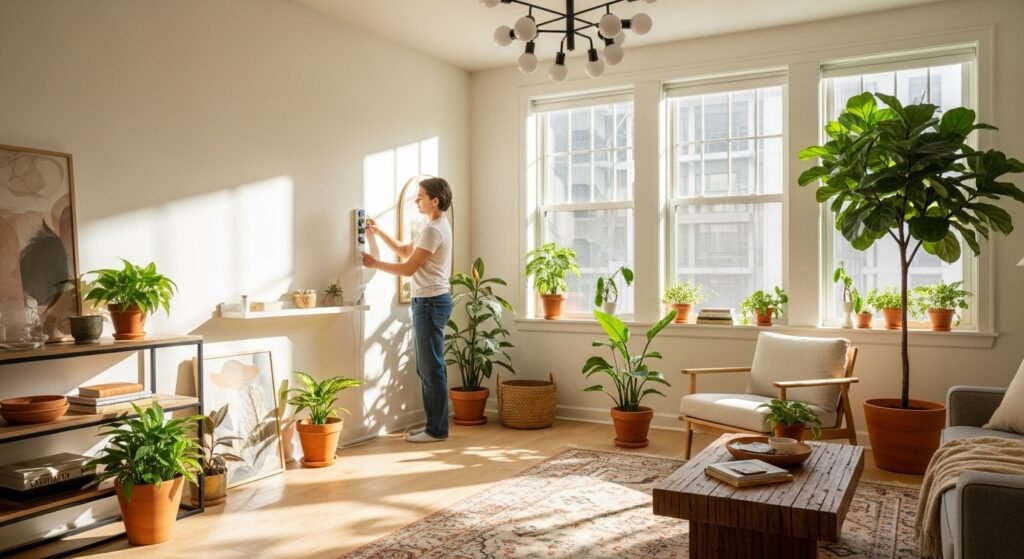
Ever look around your rental and think, “I wish I could make this place greener… without risking my security deposit?”
Yeah, same. Most of us want to live more sustainably, but when you’re in a leased space, it can feel like your hands are tied. Honestly, the idea of eco-upgrading your rental sounds great—until you remember you can’t exactly knock down walls or install fancy solar panels.
Yeah, same. Most of us want to live more sustainably, but when you’re in a leased space, it can feel like your hands are tied. Honestly, the idea of eco-upgrading your rental sounds great—until you remember you can’t exactly knock down walls or install fancy solar panels.
But here’s the thing: you don’t need big renovations to make a real difference. With a few affordable DIY tweaks, you can cut waste, lower your bills, and turn your rental into a space that actually feels good to live in. So if you’ve been wondering how to eco-upgrade your rental without breaking the rules (or your budget), you’re in the right place. Let’s make sustainability simple—and renter-friendly.
Why It Matters for Renters

Let’s be honest, renting can sometimes feel like living in “almost yours, but not quite.” You want a home that’s cozy, healthy, and good for the planet… but you also don’t want to battle your landlord over every tiny change. That’s exactly why eco-upgrading your rental matters. It’s one of the few ways you can improve your day-to-day life without needing permission slips or major cash.
When you make small, sustainable upgrades, you’re not just reducing your footprint. You’re creating a space that actually supports your lifestyle — cleaner air, lower bills, and fewer headaches. And really, who doesn’t want that?
The Twin Benefits — Lower Bills + Healthier Living
If you’ve ever opened a winter electric bill and whispered, “Please be gentle,” you already know why sustainability matters. Simple eco-friendly swaps — like LED bulbs, low-flow showerheads, or draft stoppers — can save you real dollars each month. And here’s the bonus: most of these changes also make your home feel cleaner and healthier.
Think about it. Wasted energy means poorer temperature control. Non-toxic materials mean fewer headaches (literally). Plants and natural light do half the mood-lifting for you. And in a rental, where you can’t rebuild things from scratch, these small tweaks matter even more.
Ever notice how one tiny change can shift the whole vibe of a room? That’s the power of smart eco-upgrades.
Why Rentals Have Unique Constraints (Lease, Landlord, Deposit)
Anyone who’s rented before knows the drill — you have creative ideas, but your lease says, “How about… no?” You’re constantly balancing what you want to do with what you’re allowed to do. Paint colors, fixtures, drilling holes — everything comes with a mental calculation: Is this worth risking my deposit?
That’s why renter-friendly sustainability is different. You need upgrades that are removable, reversible, or subtle enough that your landlord never thinks twice about them. Things like peel-and-stick insulation film, efficient showerheads, smart plugs, or portable air purifiers. They make a difference without leaving a mark.
And honestly, working within constraints sometimes sparks better creativity. It forces you to think smarter, not bigger.
How Green Upgrades Can Increase Comfort, Appeal, and Even the Resale Value of Your Own Items
Here’s something most people don’t realize: eco-upgrading your rental isn’t just about the apartment — it’s also about the things you own. When you invest in high-quality, sustainable items (like air-purifying plants, LED lamps, or smart energy monitors), those upgrades move with you.
That means your next home gets an instant boost, too. Plus, well-kept sustainable items often resell better if you ever decide to upgrade. A sturdy bamboo shelf, a HEPA purifier, or a set of reusable kitchen products will outlast cheap décor by a long shot.
So while you’re making your current rental cozier and more efficient, you’re also building a small collection of green “essentials” that pay off later.
Kind of nice when an upgrade benefits both today’s space and tomorrow’s home, right?
First Step — Assess What You Can Control
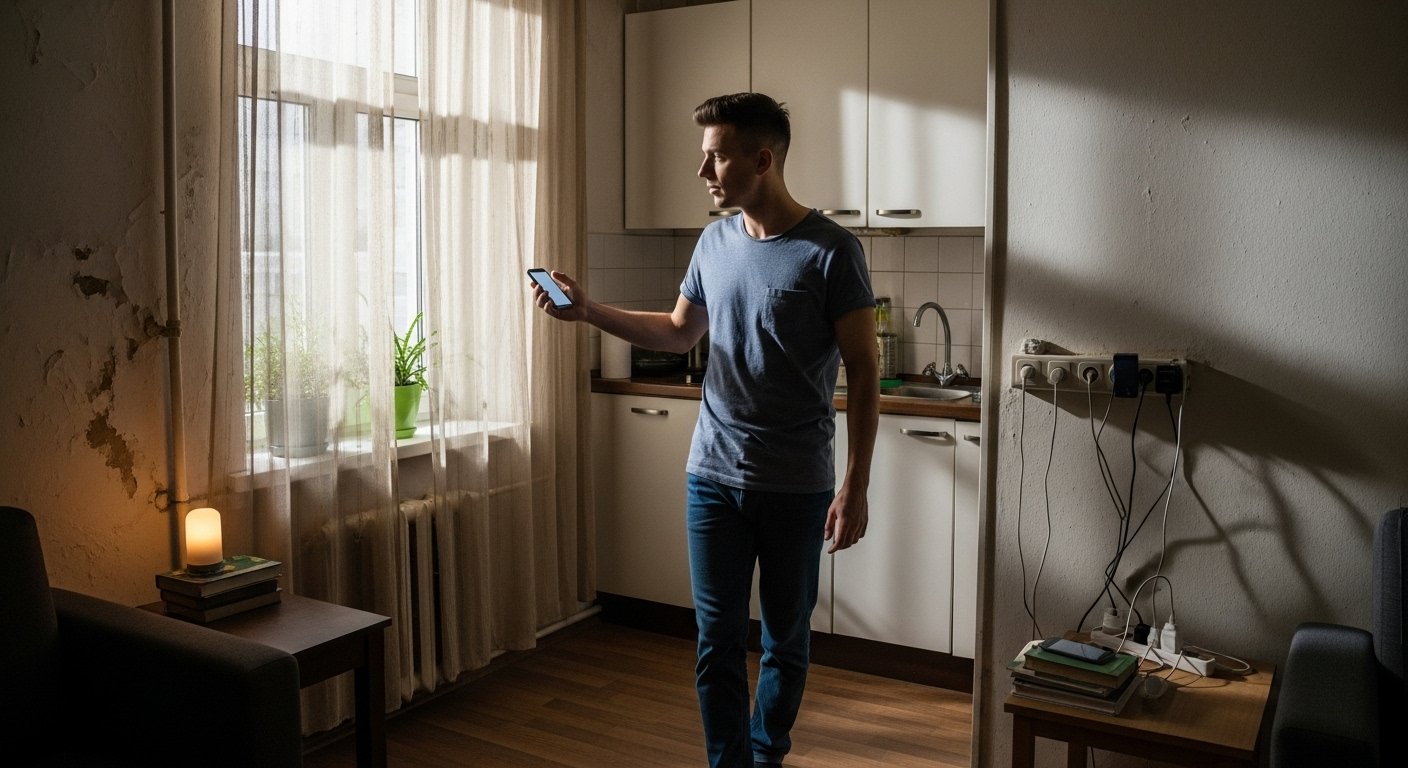
Before you spend a single dollar trying to eco-upgrade your rental, take a breath and look around. Seriously — half the magic comes from noticing things you usually walk right past. Most renters rush into buying “green” products without understanding what actually needs fixing. And truth be told, a little observation can save you money and prevent a headache later.
So think of this step as the warm-up. You’re figuring out what’s in your control, what’s not, and where a few smart tweaks can make the biggest impact. Because what’s the point of buying a fancy reusable gadget if your biggest energy leak is coming from that drafty window behind the couch?
Audit Your Space: Lighting, Draughts, Water Waste, Waste Streams
Start with a simple walkthrough — nothing fancy. Just grab your phone, open the notes app, and move from room to room. Check the lighting first. Are you still using bulbs that heat up like tiny suns? Swap them for LEDs when they burn out.
Then feel around windows and doors. If you notice cold air leaking in (or warm air escaping), that’s a sign you need a draft stopper or some temporary weatherstripping. Both cost less than a takeout order.
Next, turn on the kitchen and bathroom faucets. If the water pressure feels wild or wasteful, an inexpensive aerator can help cut the flow without ruining your shower.
And take a quick look at your trash. Are you tossing a lot of packaging? Food scraps? Mail? Knowing what you throw away helps you figure out what systems you need — maybe a countertop compost bin or better recycling setup.
Funny how a five-minute audit can reveal things you never noticed, right?
Understand Your Lease: What You Can Change vs. What Needs Landlord Approval
Now comes the part renters love to avoid: reading the lease. But don’t worry, you’re not hunting for legal loopholes. You’re just looking for clues about what’s allowed.
Most leases have rules around painting, installing fixtures, drilling holes, or swapping appliances. Some are strict; others are surprisingly chill. If your lease doesn’t clearly say “no,” it’s worth emailing your landlord a quick, friendly note just to check.
And honestly, many landlords say yes to upgrades that improve the property — especially if you frame them as cost-saving.
And honestly, many landlords say yes to upgrades that improve the property — especially if you frame them as cost-saving.
A simple message like:
“Hey, I’d love to add a removable water-saving showerhead to help lower utility use. Totally reversible when I move. Is that okay?”
—can go a long way.
“Hey, I’d love to add a removable water-saving showerhead to help lower utility use. Totally reversible when I move. Is that okay?”
—can go a long way.
Because the last thing you want is to do something great for the planet… and lose your deposit over it.
Set a Realistic Budget and Timeline (DIY vs. Bigger Upgrades)
It’s easy to get excited and load up your cart with every eco-friendly gadget you see. But start small. Make a list of what will have the biggest impact and what fits your lifestyle.
Divide your upgrades into two groups:
- Quick DIY fixes (like draft stoppers, LED swaps, reusable kitchen tools)
- Bigger choices that might take time or landlord approval (like portable purifiers, low-energy appliances, or smart thermostats)
Then give yourself a loose timeline. Maybe one upgrade a week or one a month. You don’t have to overhaul your entire rental overnight. Slow and steady changes tend to stick — and they don’t drain your wallet.
Ask yourself: what’s one upgrade I can afford and actually finish this week?
Low-Cost & Reversible Upgrades You Can Do Yourself
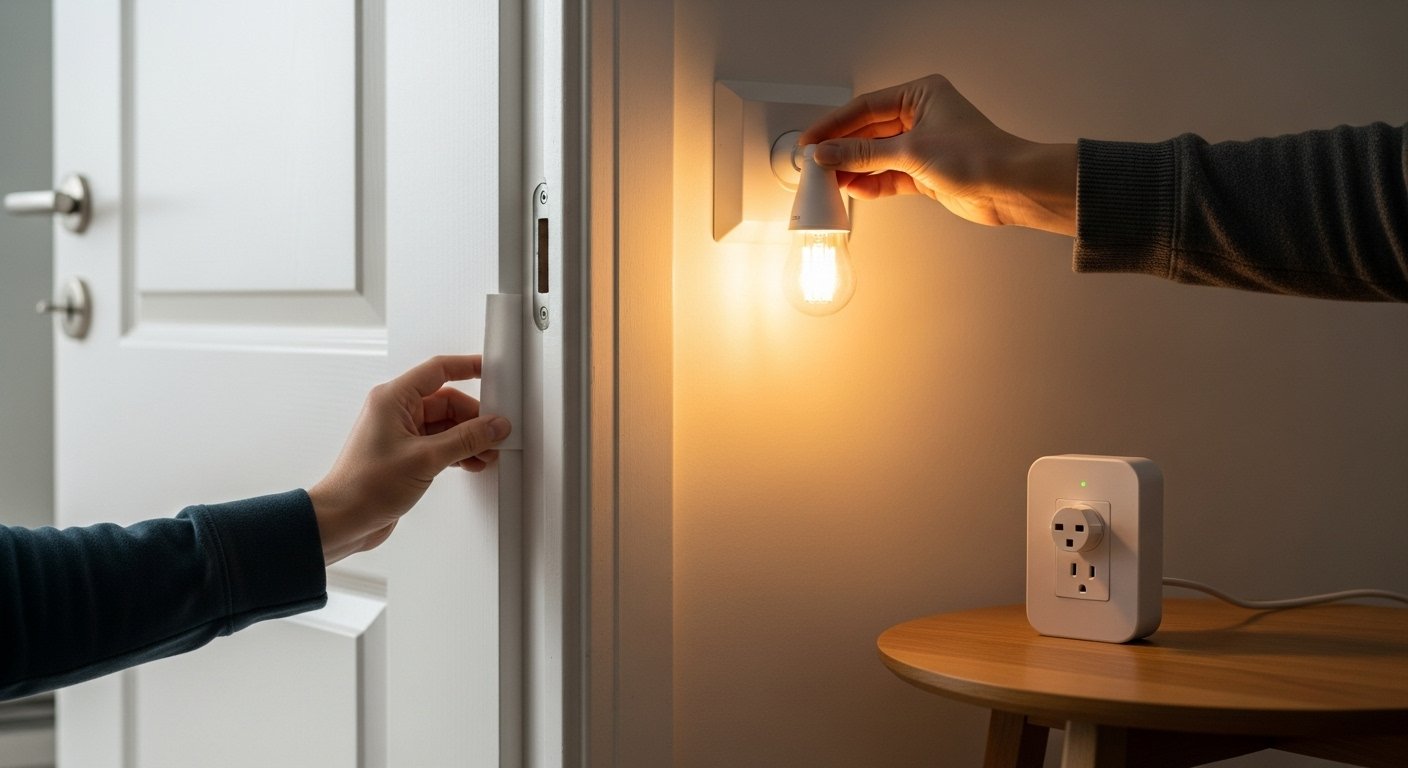
There’s something weirdly satisfying about making small changes that instantly make your place feel better. You don’t need power tools or a landlord’s blessing — just a few renter-friendly tweaks that are cheap, reversible, and genuinely useful. Think of this section as your “starter kit” for living greener without stressing about deposits or long-term commitments.
These are upgrades you can install today and take with you when you move — kind of like little sustainability wins that follow you from place to place. And really, who doesn’t love a simple fix that actually works?
Energy Savings (LED Bulbs, Smart Power Strips, Plug Usage)
If your rental came with those old yellow bulbs that make every room look like a 90s sitcom, it’s time for a switch. LED bulbs last forever (okay, not literally), use way less energy, and give your space a cleaner, brighter vibe. Swap them in one room at a time — maybe the kitchen first, where the difference hits hardest.
Then look at how many things you leave plugged in 24/7. TVs, chargers, game consoles… they all sip energy even when they’re “off.” A smart power strip can handle that for you. It cuts power when devices aren’t in use, so you don’t have to crawl behind furniture flipping switches like you’re solving a puzzle.
Ever wonder why your electric bill feels higher than expected? These tiny energy leaks are often the reason.
Draught Proofing & Insulation Hacks (Door Sweeps, Bubble Film Windows, Rugs)
Every renter has that one spot — a drafty hallway, a cold bedroom corner, or a window that rattles when the wind blows. You don’t need to rebuild the place to fix it. Slip a door sweep under the front door, add some temporary weatherstripping, or lay a thick rug over chilly floors.
If your windows let in cold air, a simple sheet of clear insulating film or removable bubble wrap can make an instant difference. It’s not glamorous, but your toes will thank you. Plus, everything peels off cleanly when you move out.
And honestly, isn’t it wild how one draft can make a whole room feel off?
Water Efficiency Upgrades (Low-Flow Aerators, Showerheads, Check for Leaks)
Water waste is sneaky. You don’t notice it until the bill shows up — or until your shower feels like standing under a fire hydrant. A low-flow aerator on faucets and a water-saving showerhead can cut usage without ruining water pressure.
They twist on in seconds, and you can always take them with you when you leave.
While you’re at it, check for slow drips. Even minor leaks waste gallons over time, and many landlords appreciate a quick heads-up because it protects their property, too.
While you’re at it, check for slow drips. Even minor leaks waste gallons over time, and many landlords appreciate a quick heads-up because it protects their property, too.
Do you know how much water your kitchen sink uses in a day? Most people don’t… until they fix it.
Waste & Recycling Shortcuts (Setup Bins, Composting in Small Spaces)
If your recycling setup is just “a bag under the sink,” you’re not alone. Creating a simple system makes things easier — two small bins side by side, clearly labeled, work wonders. Even better if one is for food scraps.
Small-space composting is way more doable than it sounds. A countertop compost bin or a bokashi bucket can handle kitchen waste without smelling up your whole apartment. Some cities even have drop-off points if you don’t have curbside pickup.
And once you see how much food waste you don’t throw away, it’s kind of addictive.
Mid-Budget Upgrades With Landlord or Shared Approval
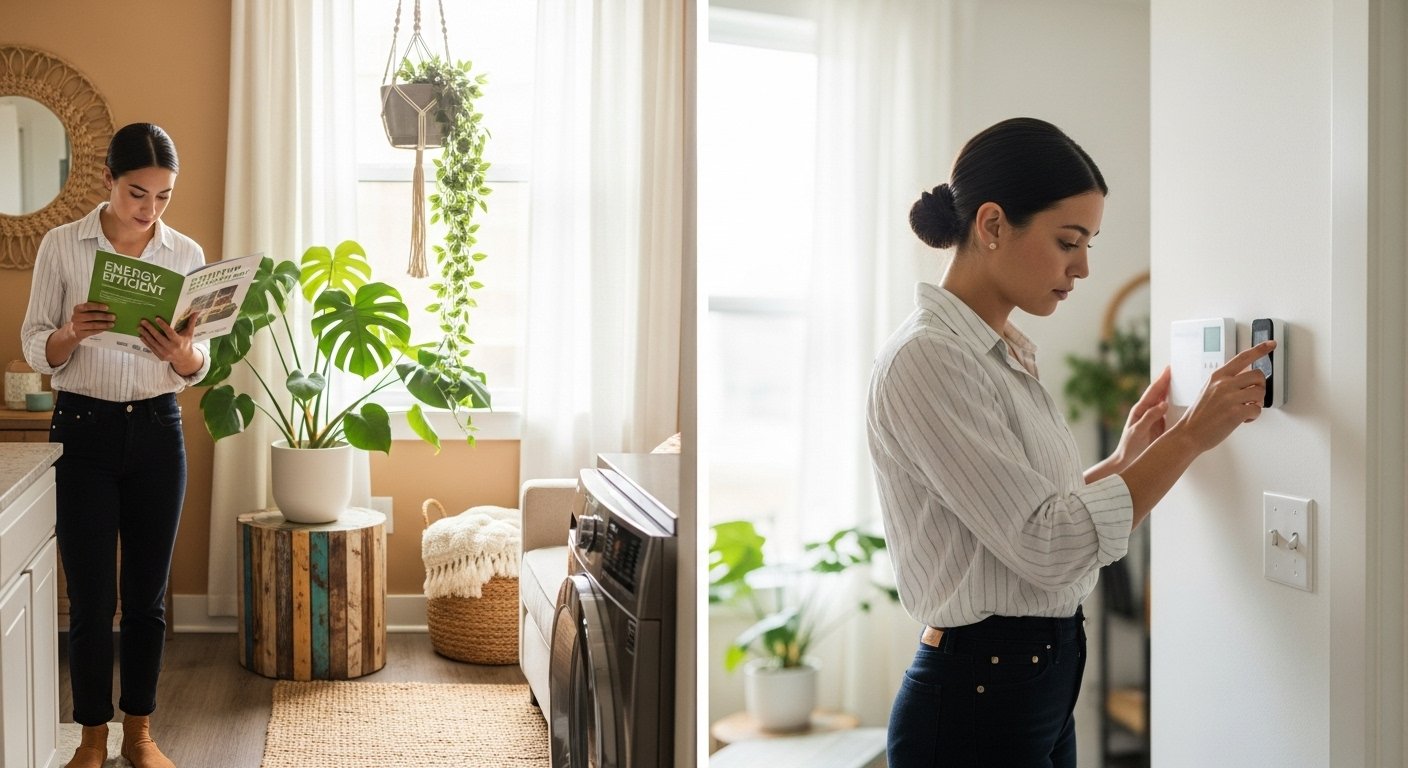
Once you’ve tackled the simple DIY fixes, you might feel ready for upgrades that make a bigger difference — the kind that slightly stretch your budget but are still completely renter-friendly. These changes usually require a quick check-in with your landlord or building manager, but they’re the kinds of improvements most owners don’t mind because they add value or reduce wear and tear on the unit.
Think of these as the “level two” upgrades — still portable, still smart, but with a little more impact. And honestly, sometimes spending a bit more now saves you money (and frustration) month after month. Isn’t that the kind of upgrade every renter dreams of?
Energy-Efficient Appliances & Smart Thermostats (Tenant-Friendly Models)
If your rental came with appliances that look older than your last relationship, you’re not alone. Many landlords leave aging fridges and microwaves in place because they “still work.” But if you have the flexibility—or if your landlord is open to improvements—upgrading to a compact, energy-efficient model can significantly cut your bills.
Even small appliances help:
- A modern toaster oven that uses less power than a stove.
- An energy-efficient air purifier for cleaner air.
- A portable induction cooktop that heats faster and wastes less energy.
Smart thermostats are another game-changer. Some models are renter-approved because they’re easy to install and just as easy to remove. They learn your habits, adjust temps automatically, and keep you from heating or cooling an empty apartment.
And really, who doesn’t want a thermostat that’s smarter than the average person in your building?
Balcony/Indoor Greenery for Air Quality & Insulation (Plants, Vertical Planters)
Plants do way more than “look cute.” They absorb toxins, add humidity in dry rooms, and even help regulate temperature a little. If you’ve got a balcony, a few tall leafy plants can act like a natural privacy screen and mild insulation barrier — blocking harsh sun or cold wind, depending on the season.
Inside, small plants like pothos, spider plants, and peace lilies purify air with almost no effort. If you’re short on floor space, go vertical: a hanging planter, a ladder shelf, or a compact hydroponic system adds greenery without crowding your room.
Not to mention… there’s something grounding about caring for a plant. Ever catch yourself talking to one after a long day? No judgment — it happens.
Eco-Friendly Décor & Materials (Second-Hand Furniture, Sustainable Fabrics)
Sustainability isn’t just about utilities — it’s also about what you bring into your space. Second-hand furniture is a goldmine for renters: it’s affordable, eco-friendly, and usually built better than today’s fast-furniture options.
Look for:
- Solid wood pieces you can refinish or repaint
- Vintage chairs and tables with personality
- Neutral-colored sofas you can dress up with sustainable throws
Textiles matter too. Switching to cotton, linen, or bamboo bedding and curtains can instantly improve air quality and comfort. Plus, sustainable fabrics tend to last longer, so you’re not replacing things every year.
And let’s be honest — thrifted décor tells a better story than anything you’d get from a flat-pack box.
Tech & Monitoring: Track Your Impact
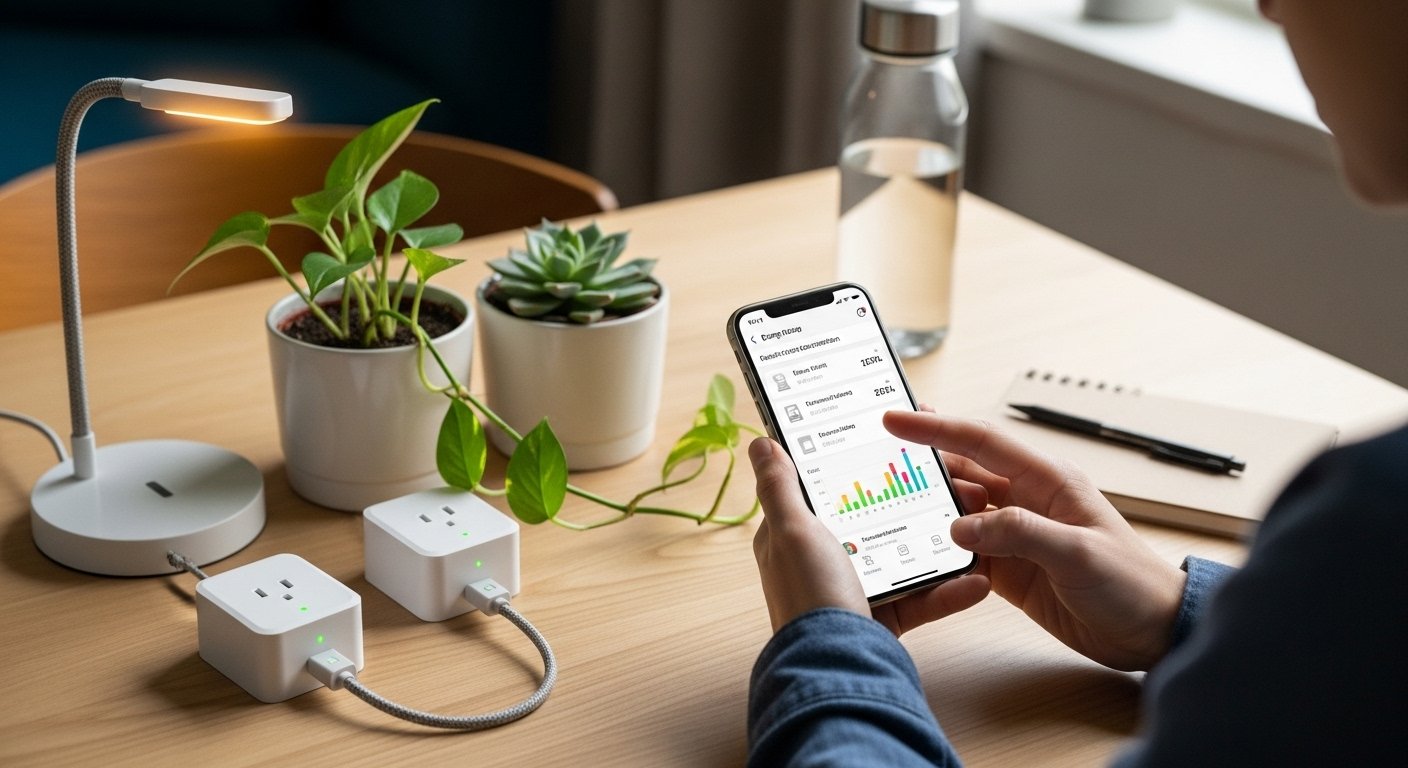
There’s something oddly motivating about knowing exactly where your energy and water go. It’s like checking your screen time — a little uncomfortable at first but super eye-opening. And when you’re trying to eco-upgrade your rental, tracking your usage gives you a clear sense of what’s working and what’s just “nice in theory.”
Don’t worry — you don’t need a high-tech home. A few simple tools can help you spot patterns, stop waste, and save money without changing a single fixture.
Don’t worry — you don’t need a high-tech home. A few simple tools can help you spot patterns, stop waste, and save money without changing a single fixture.
Smart Plugs, Energy-Monitoring Apps, Usage Dashboards
If you’ve ever wondered which appliance is secretly driving up your electric bill, smart plugs are your new best friend. They sit between the outlet and your device and show you exactly how much energy it’s using. No guessing, no math, no stress.
Try plugging in things like:
- Your TV and gaming setup
- Space heaters
- Coffee makers
- That lamp you forgot to turn off
Most smart plugs come with apps that show daily, weekly, and monthly usage. Some even shut off power automatically when devices are idle. It’s surprisingly satisfying to watch those numbers drop once you start making smarter choices.
Have you ever turned something off and instantly felt like you just saved $100? These little dashboards give you proof.
Water Usage Trackers & Leak Alarms
Water waste often goes unnoticed — slow drips, long showers, or faucets that run harder than they need to. A simple water usage tracker or a smart leak alarm can change that. They sit under sinks or attach near pipes and send alerts when something’s off.
If you live in an older rental, these devices are lifesavers. They catch tiny leaks before they turn into a soaked cabinet or a surprise repair bill. And landlords usually appreciate it because you’re helping protect the property.
You can even get shower timers that gently nudge you when you’ve hit your water goal. Think of it as a friendly tap on the shoulder… not a guilt trip.
How to Interpret Bills & Set Simple KPIs (Like Reducing 10% Energy Use)
Bills aren’t exactly designed for humans. They’re full of charts and codes that make sense only after a third cup of coffee. But once you understand the basics — kilowatt-hours, average daily use, peak-hour charges — you can set small, achievable KPIs.
Here’s a simple method:
- Look at last month’s electric or water usage.
- Pick one area to focus on (lighting, heating, water).
- Set a goal like: “Let’s reduce this number by 10%.”
- Use smart plugs or trackers to monitor progress.
- Compare the next bill to the previous one.
Nothing extreme. Just steady, realistic improvement. And when you see that first bill go down? It feels ridiculously good.
Ever notice how tiny wins keep you more motivated than big, overwhelming goals?
Negotiating with Your Landlord (or Building Management)

There’s a moment every renter knows: you’re excited about improving your space… then suddenly remember, Oh right, I don’t technically own any of this. That’s where a little smart negotiation comes in. You don’t need to beg or over-explain — just frame eco-upgrades in a way that makes sense for both sides. Most landlords aren’t anti-sustainability; they’re anti-hassle. If you can show them an upgrade won’t create work or cost them money, the conversation becomes a whole lot easier.
And honestly, what’s the worst that happens? They say no — and you try a different renter-friendly version instead.
How to Present Eco-Upgrade Ideas to Your Landlord (Benefits, Cost Savings)
When you want to pitch an upgrade, think like a landlord for a second. They care about three things:
- protecting the property
- keeping good tenants
- avoiding unnecessary expenses
So when you bring up an eco-upgrade, focus on what they get out of it. For example:
- A water-saving showerhead reduces their long-term utility wear.
- A smart thermostat protects HVAC systems from overuse.
- Better insulation means fewer complaints during extreme weather.
Keep the message short, friendly, and solution-based. Something like:
“Hey, I found a reversible upgrade that’s energy-efficient and lowers utility use. I’ll cover the cost and remove it when I move out. Wanted to get your okay first — it’s a simple install.”
“Hey, I found a reversible upgrade that’s energy-efficient and lowers utility use. I’ll cover the cost and remove it when I move out. Wanted to get your okay first — it’s a simple install.”
Half the time, they’ll approve it instantly. The other half? They might even offer to split the cost.
Isn’t it funny how a small, well-worded email can open doors that felt completely shut?
Lease-Safe Modifications: What You Can Do Without Voiding Your Deposit
Some upgrades don’t require permission at all — you just need to keep them reversible.
Think:
Think:
- Peel-and-stick insulation film
- Removable weatherstripping
- Portable air purifiers
- LED bulbs
- Smart plugs
- Tension-rod shelving
- Rugs for insulation and noise control
These changes don’t alter the structure, the paint, or the fixtures. That’s the magic zone — you get to eco-upgrade your rental without risking deductions later.
Just remember to take photos before and after if you’re ever unsure. Future-you will thank present-you.
Ever been surprised by a deposit deduction? This is your insurance against that.
Shared Infrastructure in Multi-Unit Rentals (Bike Racks, Compost Bins, Green Roofs)
If you live in an apartment building or condo-style rental, some upgrades need building-wide approval. But that doesn’t mean they’re off the table.
You can start small by asking management about:
You can start small by asking management about:
- Adding or improving bike racks
- Setting up shared compost bins
- Requesting recycling bins on every floor
- Suggesting solar lights for outdoor walkways
- Joining green initiatives like community gardens or patio planters
These upgrades benefit everyone, not just you, which makes them easier to pitch. Sometimes all management needs is one tenant to say, “Hey, people would actually use this.”
And honestly? It feels pretty good to be the renter who sparks positive change in the entire building.
Lifestyle & Community Practices That Amplify Your Upgrades

Here’s a little truth nobody tells you: the upgrades you make matter, but the way you live with them matters even more. You can have LED bulbs, smart plugs, and low-flow everything, but if your habits don’t line up with your goals… well, the impact gets watered down.
The good news? Sustainable habits tend to snowball. Once you start, it’s weirdly natural to keep going. And when your neighbors or friends join in? It becomes a whole-community vibe—one that makes your eco-upgrade your rental journey even more rewarding.
The good news? Sustainable habits tend to snowball. Once you start, it’s weirdly natural to keep going. And when your neighbors or friends join in? It becomes a whole-community vibe—one that makes your eco-upgrade your rental journey even more rewarding.
Sustainable Habits — Reuse/Recycle, Bulk Buying, Minimal Packaging
Sometimes the best eco habits are the simplest ones. Things like saving glass jars instead of tossing them, choosing products with less packaging, or grabbing pantry basics in bulk so you’re not buying a thousand tiny plastic containers.
You don’t need to be perfect. Maybe you start with reusable grocery bags, then switch to refillable cleaning bottles, then try a low-waste bathroom setup. It builds slowly — almost quietly — until one day you realize you’re throwing out way less trash than before.
And honestly, isn’t it amazing how one small habit can change the entire feel of your home?
Shared Resources and Peer Influence in Apartment Communities
If you live in a multi-unit building, sustainability becomes a team sport without anyone actually saying it out loud. One neighbor sets up a shelf of free “take what you need” items near the mailboxes. Another starts a casual swap group for books or cookware. Someone else brings their bike downstairs more often, and suddenly the racks get full.
These little shifts add up. You can jump-start things, too:
- Start a shared tool corner so people don’t need to buy new ones.
- Organize a donation box in the lobby for items still in good condition.
- Ask about community clean-ups or plant exchanges.
People naturally mirror what they see. When one person makes greener choices, others tend to follow — sometimes without even realizing it.
Ever had a neighbor inspire you just by doing something small? That’s the power of community influence.
Creating a Greener Move-In & Move-Out Strategy (What to Take, What to Leave)
Move-in and move-out days create an insane amount of waste — boxes, bubble wrap, furniture that won’t fit, the works. But it doesn’t have to be that messy. A greener moving strategy starts with being intentional.
Take only what you love or actually use. Donate items that don’t fit your next space instead of tossing them. When moving out, clean and restore reversible upgrades so the next tenant gets a fresh start. If you’re leaving behind something helpful — like a water-saving showerhead or removable insulation — ask your landlord if they’d like to keep it.
A little planning goes a long way, and honestly, moving feels better when you know you’re not just dragging unnecessary stuff from one place to the next.
Exit Strategy: How to Maintain Good Standing & Portability
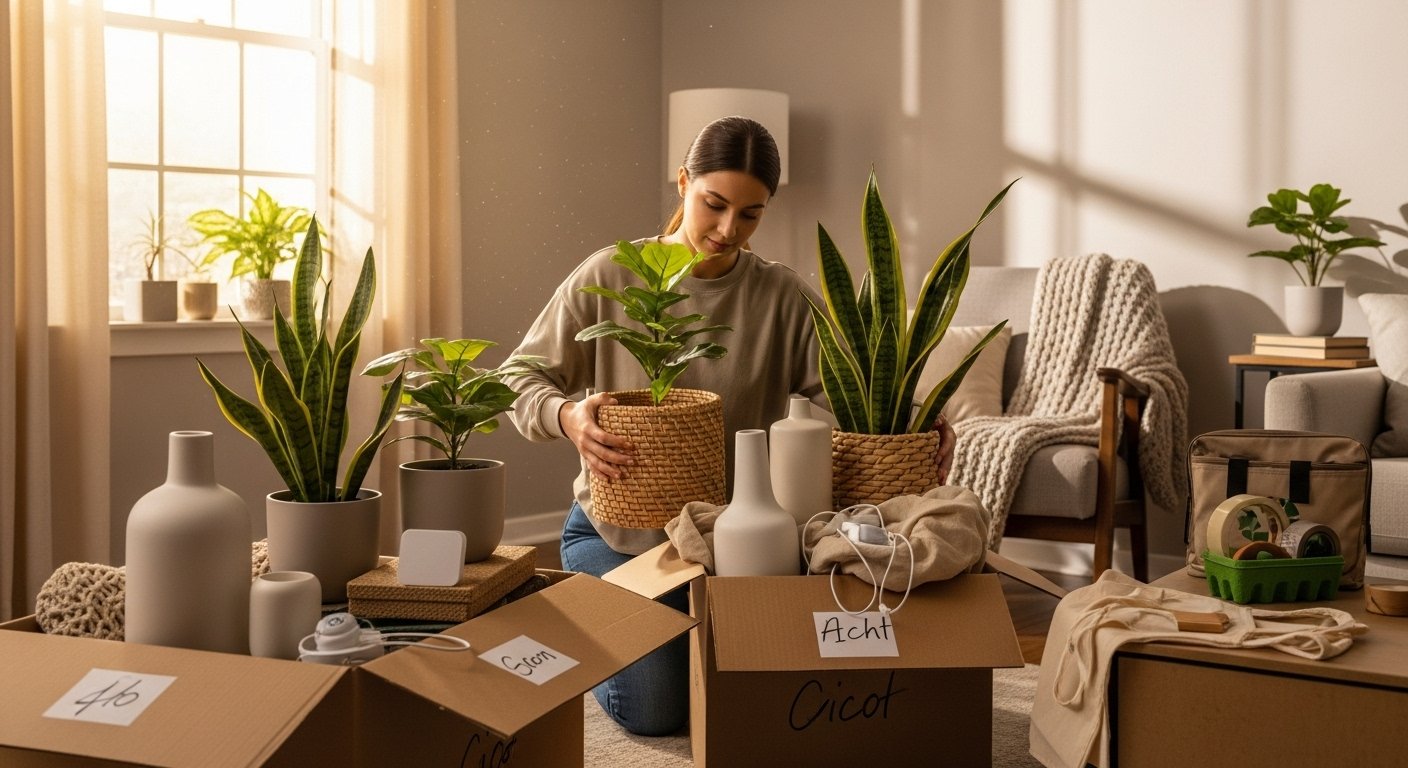
Moving out has a funny way of sneaking up on you. One day you’re happily tweaking your space, and the next you’re staring at a pile of boxes, wondering how you collected so much stuff. This is where having a smart exit strategy pays off — especially if you’ve made eco-friendly tweaks along the way.
The goal? Leave your rental in great shape, keep your deposit, and take your upgrades to your next place. No stress. No surprises.
The goal? Leave your rental in great shape, keep your deposit, and take your upgrades to your next place. No stress. No surprises.
How to Revert Rented Modifications or Make Them Deposit-Safe
Reversible upgrades are amazing… until you forget to reverse them. A few weeks before moving, walk through your space and look for anything you added or changed. Weatherstripping, draft blockers, peel-and-stick film, and temporary hooks — all of these can be removed in minutes.
If something left tiny marks, a dab of wall-friendly putty or a quick wipe-down usually does the trick.
For fixtures like showerheads or faucet aerators, swap back the originals and pack your upgraded versions in a labeled box so you don’t lose them during the move.
For fixtures like showerheads or faucet aerators, swap back the originals and pack your upgraded versions in a labeled box so you don’t lose them during the move.
And really, have you ever gotten a deposit deduction that made you think, “Seriously? For that?” This step protects you from those ridiculous moments.
Taking Your Upgrades With You (Plants, Smart Devices)
The best part of renter-friendly sustainability is that most of your upgrades go wherever you go. Smart plugs, LED bulbs, compact air purifiers, humidity sensors — all portable. Even things like magnetic window insulation or balcony planters can move with you.
Plants deserve their own mention. They’ve adjusted to your light, your routine, and your care. Give them a safe ride: pack them gently, water them lightly, and keep them in the car rather than the moving truck so they don’t freeze or overheat.
It feels good knowing that the effort you put into eco-upgrading your rental isn’t “lost” when the lease ends — you’re building a greener setup that grows with you.
Ever notice how certain items make a new place feel like home instantly? These upgrades are exactly that.
Documenting Improvements & Communicating to the Next Occupant or Landlord
If you’ve made any improvements that the landlord might want to keep — like weatherproofing, a water-saving showerhead, or upgraded filters — shoot them a quick message before moving out. Some landlords appreciate the heads-up, and it shows you’re leaving the space better than you found it.
Taking a few photos of the apartment once you’ve restored everything can save you later. Snap each room, the walls, floors, windows, and any spot you upgraded. It’s simple “just in case” evidence that only takes 10 minutes.
If you’re feeling generous, you can even leave a small note for the next tenant with tips about sustainable habits or leftover supplies they might find useful. It’s a tiny gesture, but it keeps the eco-friendly momentum alive.
Bonus Round: Emerging Tech & Global Considerations
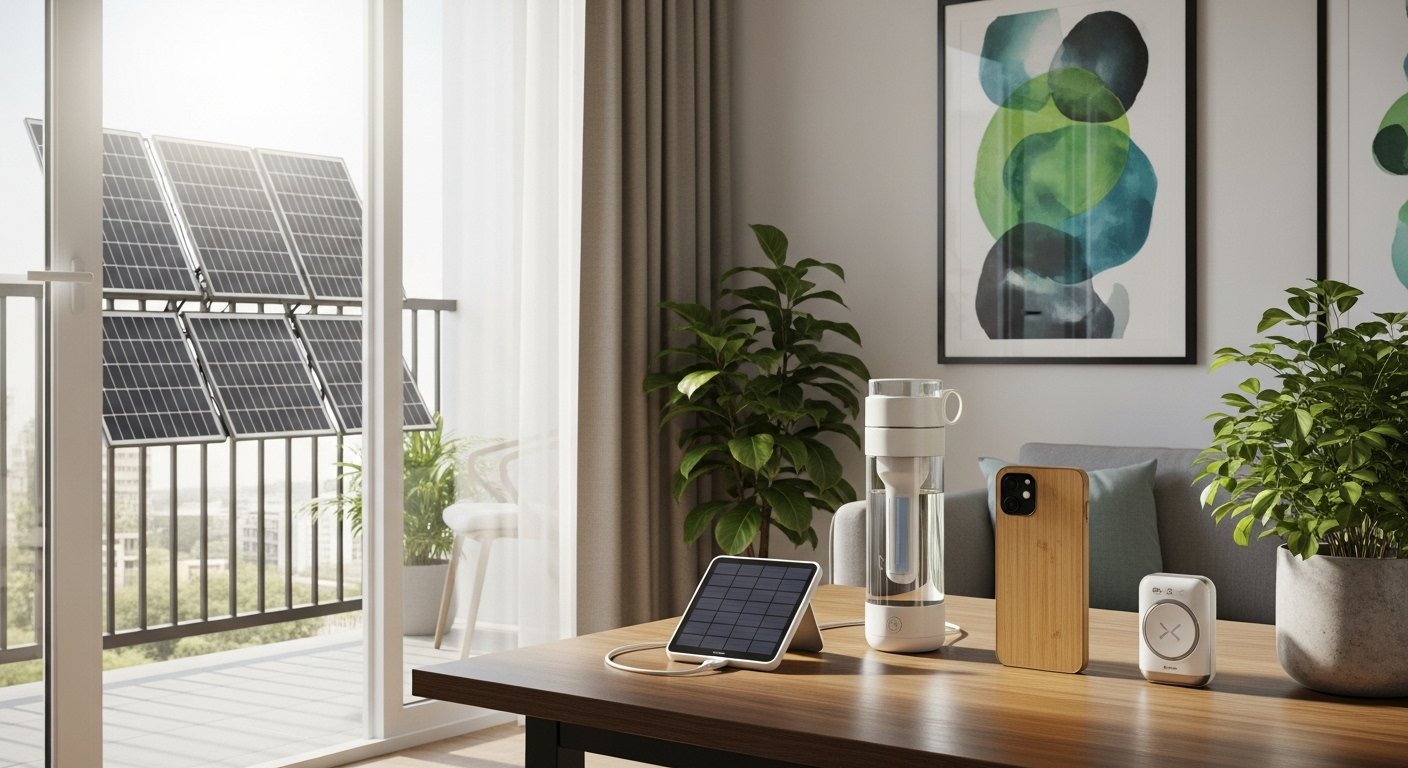
Every year, it feels like new sustainability tools pop up out of nowhere. Some are quirky, some are brilliant, and some — especially the renter-friendly ones — are absolute game changers. If you’ve already made the basic upgrades and want to take things a step further, this is where the fun begins.
Think of this section as a peek into what’s next… the stuff that could make your future rentals even greener without needing to own a single square foot.
Think of this section as a peek into what’s next… the stuff that could make your future rentals even greener without needing to own a single square foot.
Portable Solar Chargers & Rental-Compatible Micro-Solar Solutions
Portable solar tech has quietly leveled up. We’re way past those flimsy keychain chargers that barely powered anything. Today’s portable panels can charge phones, laptops, lamps, and even small appliances. And they fold up like a blanket — which makes them perfect for renters.
If you have a balcony or a sunny window, micro-solar pads can soak up light during the day and power your basics at night. No drilling, no wiring, no landlord approval.
Some renters even use solar battery banks to reduce peak-hour electricity use, which can cut costs in cities where energy is priced like luxury goods.
Some renters even use solar battery banks to reduce peak-hour electricity use, which can cut costs in cities where energy is priced like luxury goods.
Honestly, who knew a patch of sunlight could do so much?
Market-Specific Tips (for Pakistan, India, Southeast Asia Rental Markets)
Sustainability looks different depending on where you live. In the US, renters focus on insulation and energy bills. But in countries like Pakistan, India, or the Philippines, the conversations often revolve around heat waves, power outages, and water scarcity.
A few region-specific tricks:
- Pakistan & India: Solar power banks are essential during load shedding; clay water coolers and locally made fabric curtains naturally reduce heat.
- Southeast Asia: Dehumidifiers and mold-resistant materials help maintain healthier air in humid climates.
- Urban Asian rentals: Many use community water filters, shared composting points, and balcony gardens to make the most of limited space.
These regions often innovate out of necessity, and there’s a lot US renters can learn from their creativity.
Ever notice how people in different countries solve the same problem in totally different ways? It’s fascinating — and inspiring.
Trends to Watch: Green Leases, ESG for Renters, Incentives
The rental world is shifting. Slowly, but definitely shifting.
Landlords and property managers are starting to offer green leases — agreements that encourage tenants to save energy or use eco-friendly appliances, sometimes in exchange for perks like appliance upgrades or small rent incentives.
Landlords and property managers are starting to offer green leases — agreements that encourage tenants to save energy or use eco-friendly appliances, sometimes in exchange for perks like appliance upgrades or small rent incentives.
ESG (Environmental, Social, Governance) standards are also creeping into the rental housing market.
Some buildings highlight their ESG commitments to attract younger tenants who care about sustainability. This means:
Some buildings highlight their ESG commitments to attract younger tenants who care about sustainability. This means:
- Better recycling systems
- EV charging stations
- Low-VOC paints
- Smart energy systems
- Community gardens or green roofs
And let’s not forget government incentives. Some states and cities offer rebates for thermostats, air purifiers, or efficient appliances — even for renters.
Imagine getting rewarded for doing something you were planning to do anyway. Not a bad deal.
Conclusion
Funny thing about living in a rental is that it teaches you how much impact you can make in a space you don’t technically own. Every small upgrade, every smarter habit, every choice to waste a little less — it all adds up. And somewhere along the way, those changes stop feeling like “projects” and start becoming part of the way you live.
If you’ve made it this far, you’re already thinking differently about your home and the world around you. That’s the real win. Whether you eco-upgrade your rental with tiny tweaks or bigger steps, the point is that you’re building a space that reflects what matters to you.
As you go about your week, maybe pick one change you’re excited to try. Start there. Small actions have a way of opening doors you didn’t even know were waiting.
FAQs
Q: I live in a rental—can I really make meaningful, sustainable upgrades without landlord approval?
A: Absolutely — you can focus on renter-friendly changes like LED bulbs, draft blocks, or smart plugs. These tweaks don’t require major renovations and show you how to eco-upgrade your rental while staying lease-safe.
A: Absolutely — you can focus on renter-friendly changes like LED bulbs, draft blocks, or smart plugs. These tweaks don’t require major renovations and show you how to eco-upgrade your rental while staying lease-safe.
Q: What if my lease says I can’t drill into walls or change fixtures?
A: Then look for reversible upgrades. Peel-on insulation film, removable weather-stripping, plug-in devices, and portable plants are all great options. You get low-cost, eco-friendly tweaks without risking your deposit.
A: Then look for reversible upgrades. Peel-on insulation film, removable weather-stripping, plug-in devices, and portable plants are all great options. You get low-cost, eco-friendly tweaks without risking your deposit.
Q: Will these eco-upgrades actually save me money?
A: Yes! Simple changes—like switching to LED lighting, using a smart power strip, or installing a low-flow showerhead—can reduce your utility bills. And with better comfort and healthier indoor air, you get more than just cost savings.
A: Yes! Simple changes—like switching to LED lighting, using a smart power strip, or installing a low-flow showerhead—can reduce your utility bills. And with better comfort and healthier indoor air, you get more than just cost savings.
Q: How do I talk to my landlord about fair sustainability changes?
A: Be friendly and solution-oriented. Mention how the upgrade benefits both you and the property (lower bills, better resale value). Suggest a reversible approach, cover your cost, and emphasize that you’re willing to restore things if needed.
A: Be friendly and solution-oriented. Mention how the upgrade benefits both you and the property (lower bills, better resale value). Suggest a reversible approach, cover your cost, and emphasize that you’re willing to restore things if needed.
Q: If I move soon, what happens to all the eco-upgrades I made?
A: Good question. Pack up portable items, such as smart devices and plants, to take with you. For modifications, ensure they’re reversible or leave them in better-than-before condition. Document everything—it protects your deposit and keeps your upgrades portable.
A: Good question. Pack up portable items, such as smart devices and plants, to take with you. For modifications, ensure they’re reversible or leave them in better-than-before condition. Document everything—it protects your deposit and keeps your upgrades portable.
Q: Can renters in other countries use similar strategies?
A: Yes, the same basic approach applies—focus on what you can control. For example, in heat-prone or power-unstable regions, you might prioritize shade-enhancing plants or portable solar chargers. The mindset of affordable, DIY-style eco upgrades works globally.
A: Yes, the same basic approach applies—focus on what you can control. For example, in heat-prone or power-unstable regions, you might prioritize shade-enhancing plants or portable solar chargers. The mindset of affordable, DIY-style eco upgrades works globally.
Q: Are there incentives or programs that help renters make green upgrades?
A: In some places, yes. Many utility providers, cities, or states offer rebates or programs for energy-efficient devices or insulation—even for renters. It’s worth checking local resources and mentioning the shared benefit when you talk with your landlord.
A: In some places, yes. Many utility providers, cities, or states offer rebates or programs for energy-efficient devices or insulation—even for renters. It’s worth checking local resources and mentioning the shared benefit when you talk with your landlord.