

Some days, I catch myself staring at my grocery cart, wondering how on earth we got from basic tofu blocks to “next-gen” nuggets made in a bioreactor. It’s wild, right? But also… kind of exciting. Plant-Based Protein 2.0 is no longer just about veggie burgers that taste almost like the real thing. Thanks to fermentation and even lab-grown innovations, we’re stepping into a whole new era of food—one that feels a bit like science class but tastes a whole lot better.
Honestly, the shift isn’t just about being trendy or eating green. It’s about rethinking what protein can be and how it fits into our daily lives. And truth be told, the future of our diets might look very different from what we grew up with—maybe even better.
Why Protein Needs a Revolution
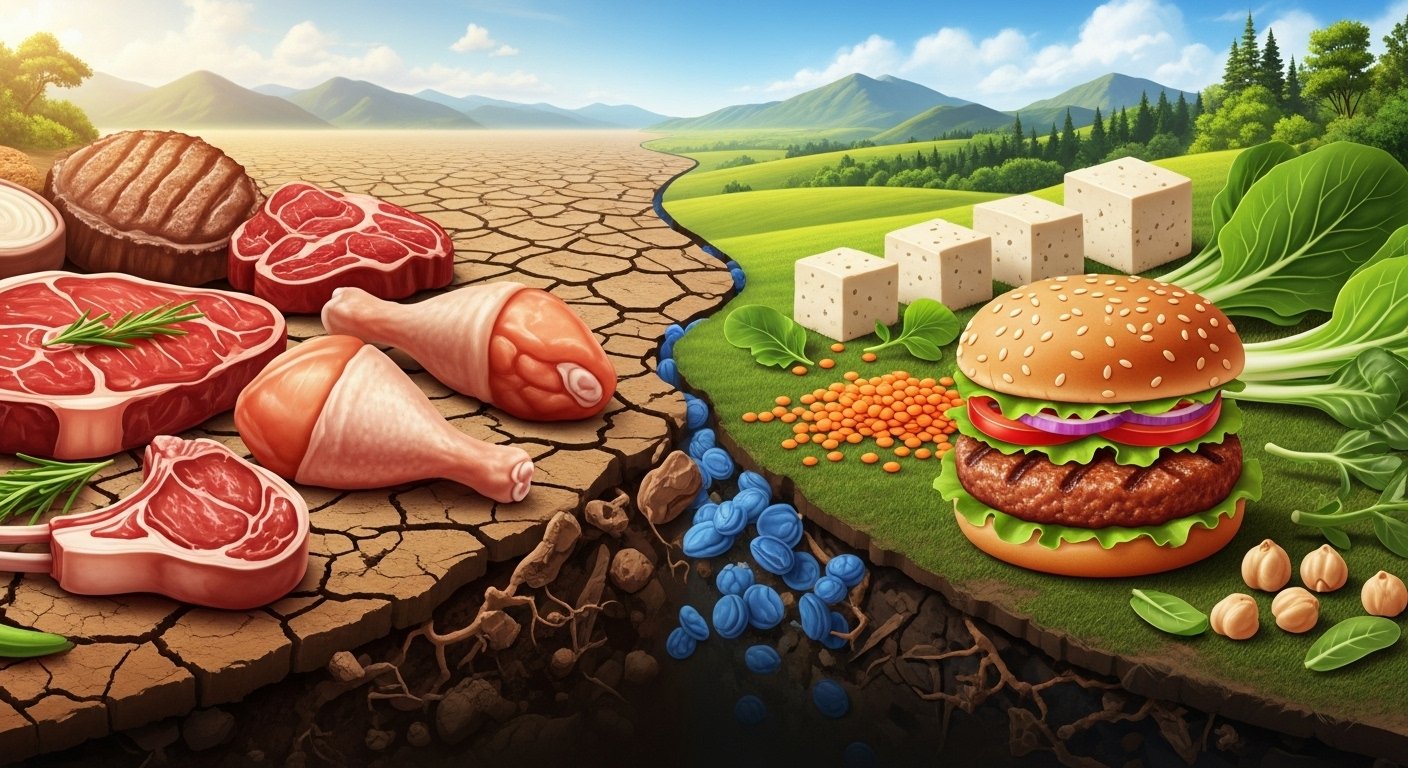
Sometimes it feels like the way we think about food hasn’t kept pace with how the world is changing. Protein, especially, sits right at the center of that shift—what we eat, how it’s made, and what it means for the planet. And honestly, the more you look into it, the more it becomes clear: we can do better, and we probably should.
The environmental, health, and ethical stakes of traditional animal protein
Ever notice how eating a simple burger doesn’t feel so simple anymore? A lot of us grew up thinking protein was just “meat or no meat,” but now there’s this little voice reminding us that our dinner comes with a much bigger footprint. And honestly, once you’ve seen the numbers on emissions, water use, or overcrowded feedlots, it’s hard to unsee them.
Traditional animal protein isn’t the villain, but it does come with baggage—health concerns tied to overconsumption, ethical questions about animal welfare, and environmental costs that pile up faster than we think. It makes you wonder: if we could get the same (or better) nutrition without all that weight on our conscience, why wouldn’t we?
The shift toward Plant-Based Protein 2.0 isn’t just a food trend. It’s a quiet push for something cleaner, kinder, and more future-proof. And in a world that’s changing faster than the weekly grocery ads, having better protein choices feels less like a luxury and more like a necessity.
The rise of plant-based—but why first-gen plant proteins still fall short
If you’ve ever bitten into an early plant-based burger and thought, “Well… at least they tried,” you’re not alone. First-gen products had heart, but they didn’t always have the flavor, texture, or nutrition to match. Some tasted a little too earthy. Some were oddly chewy. And some had ingredient lists longer than a CVS receipt.
The truth is, those early attempts were a starting point—important, but incomplete. They proved we could rethink protein, but didn’t quite deliver the experience people crave. Ever try convincing a steak lover that pea protein isolate is “basically the same thing”? Yeah… tough sell.
That’s where fermentation and lab-grown innovations start rewriting the story. They fill in the gaps—better texture, richer flavor, cleaner nutrition—and suddenly protein doesn’t feel like a compromise. It feels like an upgrade.
The New Frontier: Fermentation and Lab-Grown Proteins
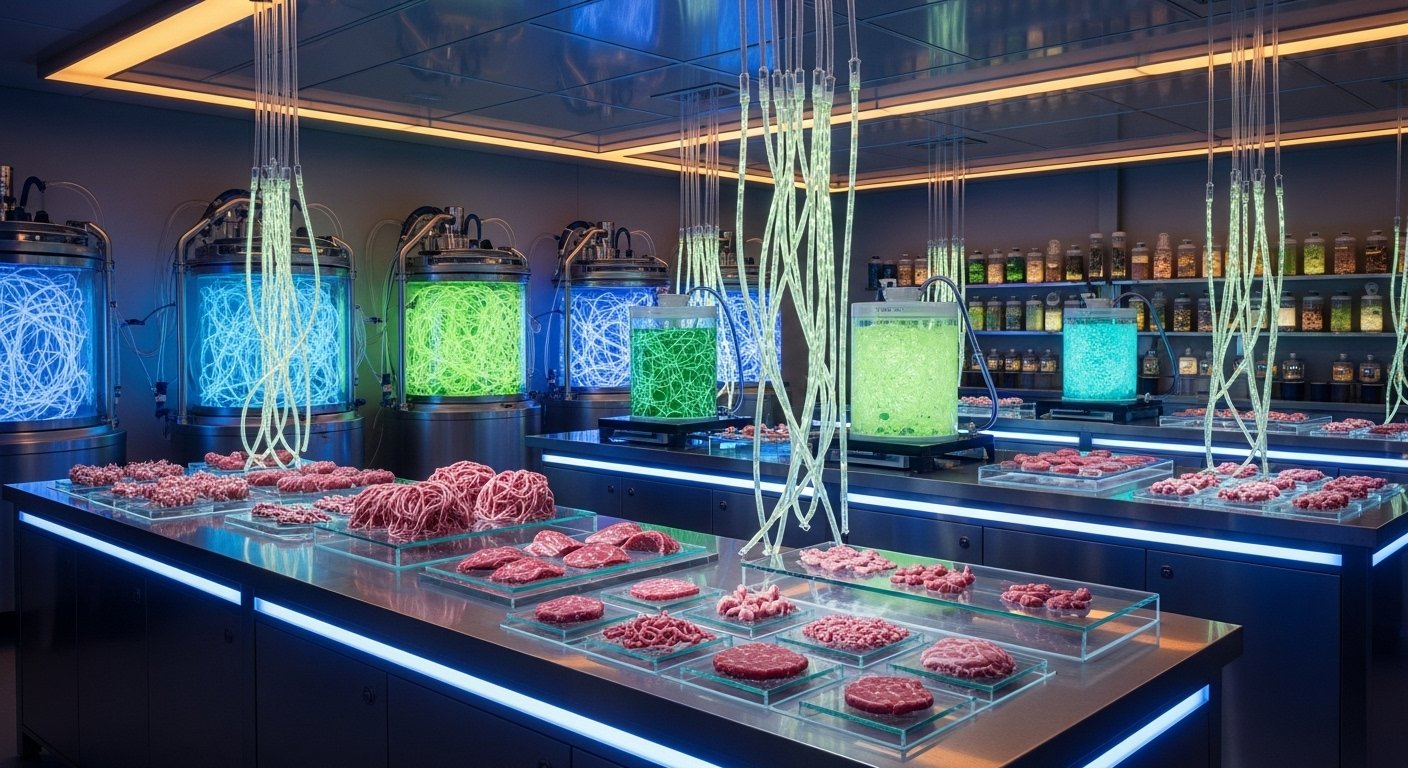
You know that feeling when you hear about a new food technology and think, “Wait… are we really doing that now?” That’s exactly how fermentation and lab-grown protein can sound at first. But once you peel back the science-y layer, it becomes surprisingly practical—almost comforting, actually. It’s the next step in the evolution of Plant-Based Protein 2.0, and it’s reshaping what might end up on our plates in the next few years.
What is microbial fermentation & precision fermentation?
If you’ve ever baked bread or let yogurt sit overnight, you’ve already seen fermentation doing its thing. Microbial fermentation works the same way—just a bit more high-tech. Instead of using microbes to make bubbles in dough, we guide them to create protein, flavor molecules, or nutrients.
Precision fermentation takes it up a notch. Picture a super-obedient microbe that’s been taught a new recipe. You feed it sugar, give it a warm place to grow, and it produces a specific protein—like whey, or egg white protein—without needing the actual cow or chicken. Pretty wild, right?
And the cool part? These proteins can help fix the taste and texture issues that first-gen plant foods struggled with. It’s like bringing in a specialist to finish the job.
What is lab-grown (cultivated) protein production?
Lab-grown, or cultivated protein, sounds futuristic until you realize it starts with something tiny: a handful of animal cells. Those cells get nutrients—kind of like a plant getting sunlight and water—and they grow into real muscle or fat tissue. No animal needs to be raised, transported, or slaughtered.
The end result looks and tastes like traditional meat because, technically, it is meat. Just made in a cleaner, more controlled environment.
Some people imagine white lab coats and sci-fi labs, but honestly, the future production facilities will look more like breweries than anything else. Stainless-steel tanks, controlled temperatures, and teams ensuring everything grows safely and consistently.
Have you ever thought about what it would be like to eat meat without the environmental guilt? That’s where cultivated protein hits home.
How they differ, overlap, and why hybrid models matter.
Fermentation and lab-grown protein aren’t rivals—they’re teammates. Fermentation is great at building ingredients: flavor, texture, and functional proteins. Cultivated meat brings the authentic structure people crave. Put them together, and you get something balanced, affordable, and way easier to scale.
Think of hybrid products like a blended playlist: a little plant-based base, a hint of fermentation-derived protein for richness, maybe a touch of cultivated fat for real-meat flavor. It solves multiple challenges at once—cost, taste, and nutrition—without going “all in” on one method.
And honestly, hybrid models might be the bridge that helps skeptical eaters finally give Protein 2.0 a fair chance.
From Lab to Table: How These Proteins Get Made
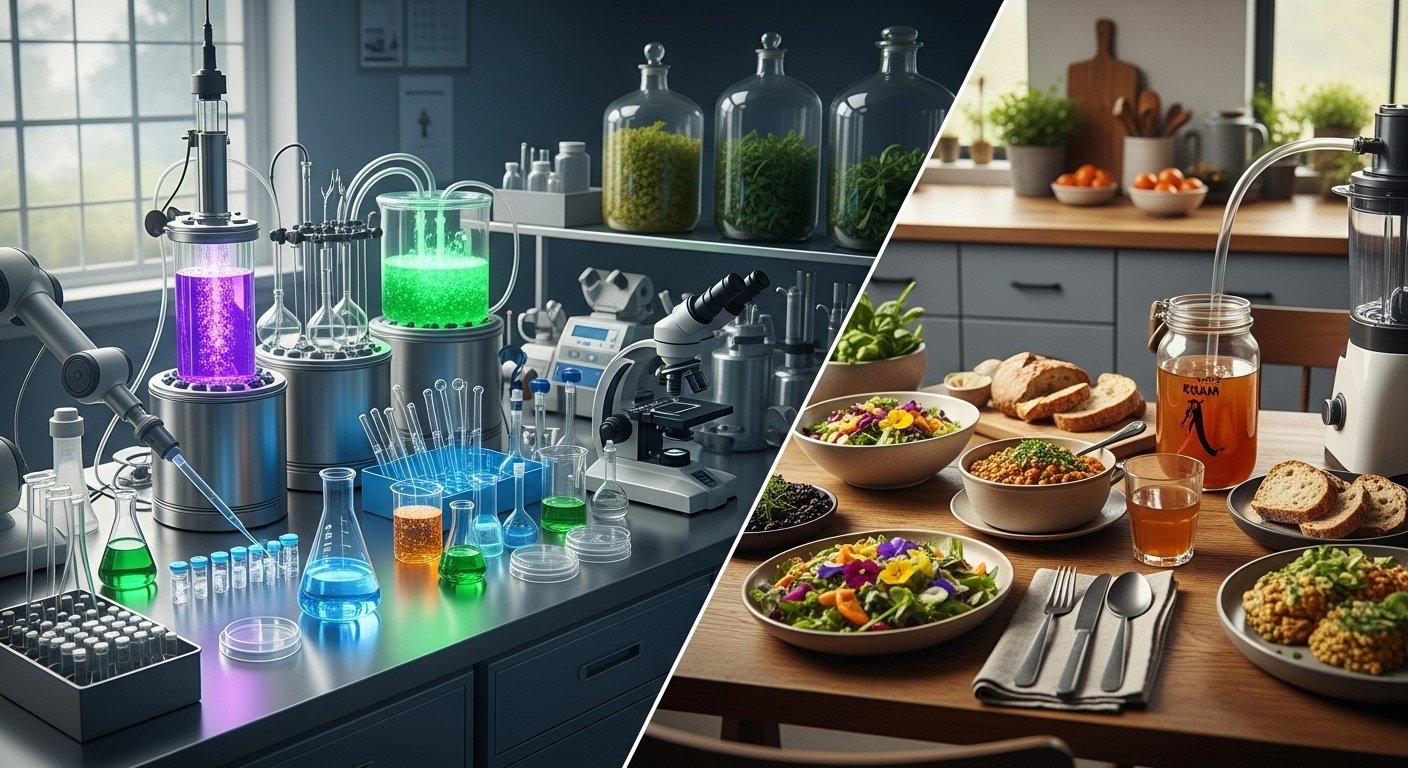
If you’ve ever walked through a brewery and thought, “I have no idea what’s happening in these giant shiny tanks, but it smells amazing,” then you already understand the vibe behind next-gen protein production. It’s science, yes—but it’s also craft. It’s a mix of biology, engineering, and a surprising amount of patience. And honestly, seeing how Plant-Based Protein 2.0 comes to life makes the whole thing way less mysterious.
Feedstocks, bioreactors, and production processes
Here’s a funny truth: microbes are picky eaters, just like us. Give them the right feedstock—usually sugars or plant-derived nutrients—and they get to work. Inside bioreactors, these little workers grow, multiply, and start producing proteins or other useful molecules.
A bioreactor is basically a highly controlled environment that maintains optimal temperature, oxygen levels, and pressure. Think of it as the world’s most attentive babysitter. If you’ve ever made homemade yogurt and stressed about the temperature, you totally get the idea.
And it makes you wonder—if microbes can make cheese, beer, and bread, why not protein for the future?
From plant-based isolates to fermentation-derived biomass
First-gen plant proteins often started as isolates—peas, soy, or wheat stripped down to their protein core. Helpful, yes. But sometimes the flavor was… questionable.
Fermentation changes that story. Microbes break down harsh flavors, build richer textures, and even add nutrients as they grow. The result is fermentation-derived biomass: a fluffy, protein-rich material that can be molded, flavored, and turned into something that actually tastes good.
Imagine taking something simple, like pea flour, fermenting it, and ending up with something that feels closer to chicken or seafood. That’s the power of letting biology handle the seasoning.
Ever tried something fermented and thought, “Wow, this is way better than I expected”? Same idea here.
Cultivated meat: cell scaffolds, growth media, texture engineering
Cultivated meat starts tiny: a small batch of animal cells. No farms, no crowded barns—just cells given the nutrients they naturally need. They sit on scaffolds that act like a structure, helping them grow into real muscle or fat.
Texture is the tricky part. Real meat has layers, fibers, and a bite that’s hard to fake. So scientists use different scaffolds, 3D structures, and growth media to recreate that familiar feel.
Picture it like this: you’re building a tiny protein city. The cells are the citizens. The scaffold is the town’s layout. The nutrients are the grocery stores keeping everything alive.
It sounds wild, but at the end of the day, the goal is simple—meat without the mess of traditional farming.
Scaling, cost, and infrastructure challenges
Here’s the part most glossy marketing posts won’t tell you: scaling this stuff is hard. Bioreactors cost a fortune. Feedstocks aren’t always cheap. And getting from a lab prototype to grocery-store shelves takes years of testing and investment.
Think of it like trying to bake a perfect cookie—but now you have to bake a million identical cookies every single day. Everything gets more complicated.
Will prices drop? Absolutely. But like solar panels and electric cars, it takes time. And patience. And, honestly, a lot of courage from early adopters.
It makes you pause and ask: how long before these proteins become as normal as almond milk or oat lattes?
Nutritional and Functional Benefits – The Science Behind the Spin
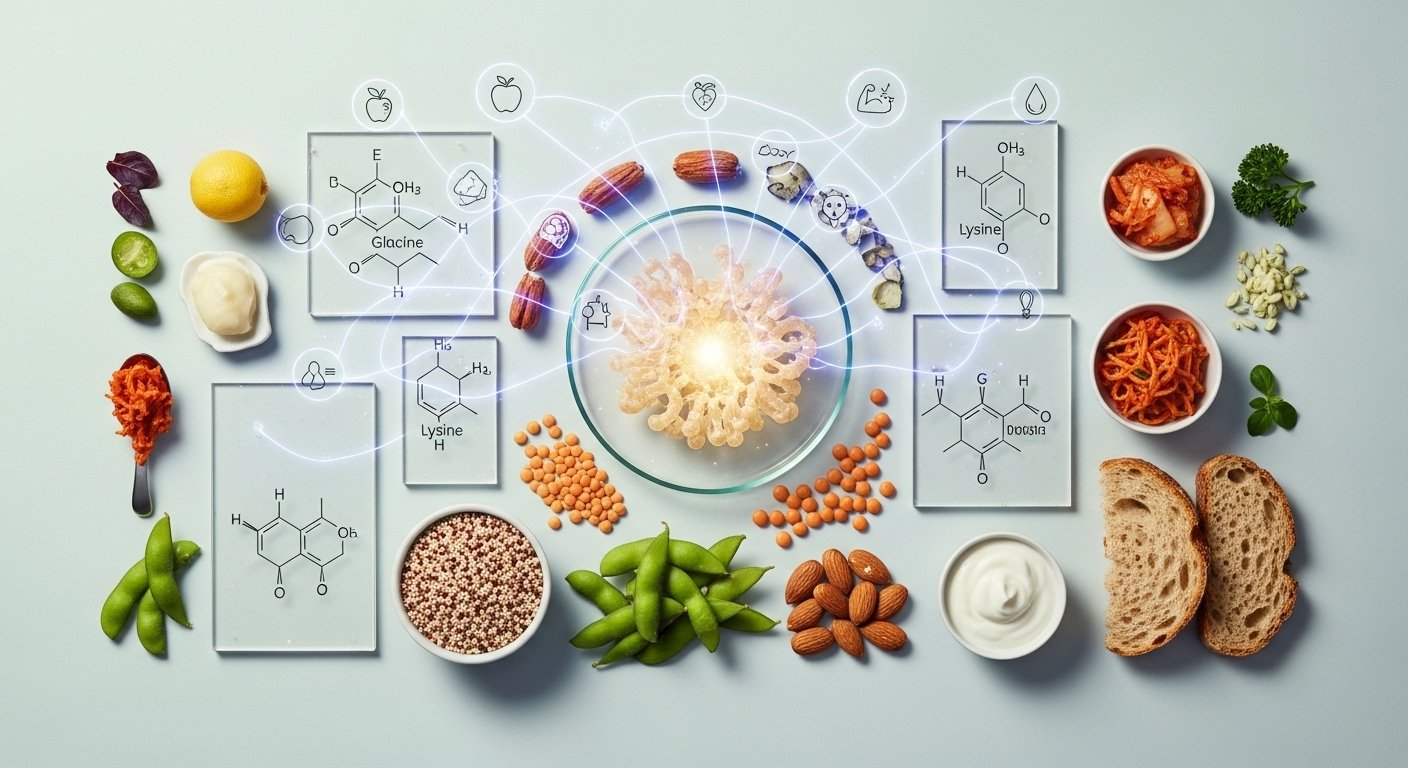
I think most of us have had that moment standing in the grocery aisle, staring at a plant-based label and wondering, “Okay… but is this actually good for me?” It’s a fair question. And honestly, the nutrition side of Plant-Based Protein 2.0 is where things get surprisingly exciting. Once you dig a little deeper, the science stops feeling intimidating and starts feeling like something you can use in your everyday meals.
Amino-acid completeness, digestibility, and bioavailability
Remember when early plant proteins felt like eating the “lite” version of real protein? They tried hard but didn’t always deliver the same nutrient punch. That’s where fermentation changes the game. By breaking down tougher plant structures, microbes make protein easier for the body to absorb—almost like pre-chewing it for you (minus the gross factor).
This process also helps balance amino acids, giving you a more complete profile without having to mix five different protein sources. If you’ve ever wondered why certain plant-based meals fill you up faster and keep you energized longer, this is a big reason why.
And honestly, who doesn’t want protein that works with your body instead of making it work overtime?
Flavor, texture, sensory science breakthroughs
Let’s be real—nutrition matters, but taste is what keeps people coming back. If a food doesn’t taste good, it’s not making it into anyone’s weekly meal rotation. Scientists know this, which is why so much of Plant-Based Protein 2.0 focuses on sensory upgrades.
Through fermentation and cultivated fat blends, food developers are dialing in subtle flavors: savory notes, juiciness, a better “bite.” It’s not just about copying meat—it’s about creating food that’s genuinely satisfying.
Think of it like upgrading from an old stereo to a surround-sound system. Same song, but suddenly everything feels fuller.
Ever take a bite of something new and think, “Oh wow, that’s way better than I expected”? That’s the goal here—surprising you in the best way possible.
Allergenicity, gut health, and bioactive peptides in fermented proteins
If your stomach has ever staged a protest after a heavy meal, you know how important gut-friendly foods are. Fermented proteins naturally contain bioactive compounds that support digestion, reduce inflammation, and even keep certain allergens in check.
Many people who struggle with soy or wheat find fermented versions way easier to handle. The process breaks down problem compounds and creates peptides that your gut actually appreciates.
It’s like giving your digestive system a deep breath of relief. And when your gut feels good, everything else—from your energy to your mood—tends to fall in line.
Makes you wonder: what if “healthy protein” could also feel this comfortable?
Consumer Diets in the Real World: Integrating Protein 2.0
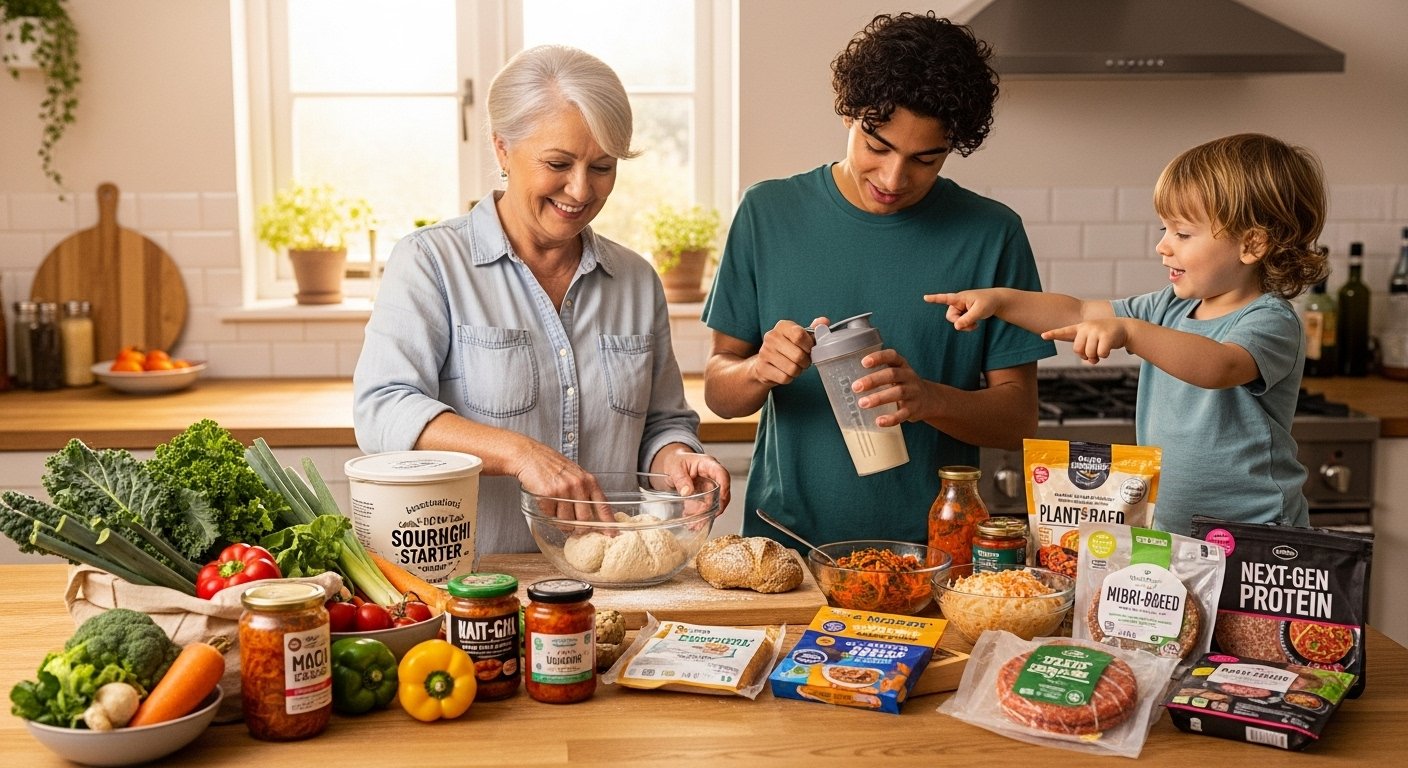
Trying to eat healthier can feel like standing in front of a fridge full of leftovers—you want to make the right choice, you just don’t know where to start. With Plant-Based Protein 2.0, the options look even bigger, and honestly, a bit intimidating at first glance. But once you understand how these new proteins fit into real life, it suddenly feels a lot easier (and a lot more fun).
How to choose between plant-only, fermentation-derived, or hybrid protein products
Choosing protein doesn’t have to be some deep science lesson. It’s really about asking, “What do I want from this meal?”
If you’re looking for something simple and clean, a plant-only option works great—especially for everyday meals like stir-fries, smoothies, or grain bowls. But if you’ve tried those and felt like something was missing, fermentation-derived products might hit the spot. They’re usually richer in flavor and easier on digestion.
Hybrid proteins are your go-to when you want the closest thing to meat without actually eating traditional meat. They blend plant-based ingredients with fermented or cultivated components, so you get better texture and that “real” bite.
Think of it like choosing a coffee style: drip (simple), espresso (bold), or a latte (balanced). None is wrong—just different moods, different needs.
Ever find yourself craving something hearty but not heavy? That’s exactly when these new categories shine.
Meal ideas, label decoding, and what to look for when shopping
A little strategy goes a long way. For quick weekday meals, fermented protein nuggets or patties cook like regular chicken but often taste better seasoned. For breakfast, fermented yogurts or protein shakes offer smoother digestion and less bloating.
When you’re checking labels, keep an eye on a few things:
- Protein per serving (aim for 12–20g depending on the meal)
- The ingredient list—shorter usually means less processing.
- Fermentation terms like “mycoprotein,” “precision-fermented whey,” or “fermented biomass”
- Added nutrients like B12, iron, or omega-3s
If a label feels confusing, ask yourself: “Does this look like something my body will understand?” It’s a surprisingly good filter.
And don’t be afraid to try one new product each week. Tiny changes add up fast.
Nutrition for special populations (athletes, vegetarians/vegans, flexitarians)
Athletes usually worry about two things: protein quality and recovery. Fermented proteins are a win here—they digest quickly, reduce inflammation, and offer more complete amino acid profiles. Great for post-workout meals.
Vegetarians and vegans often struggle with variety or nutrient gaps. Plant-Based Protein 2.0 solves a lot of that, especially with precision-fermented proteins that mimic dairy or egg nutrients without the animal source.
Flexitarians? You get the biggest playground. Hybrid proteins let you enjoy meat-like flavor without leaning on traditional animal farming. It’s the easiest transition for families who don’t want to overhaul their whole routine.
No matter your category, the real question is: “What helps me feel energized and satisfied?” When that’s your guide, the choice becomes clearer.
Market, Regulation, and the Road Ahead
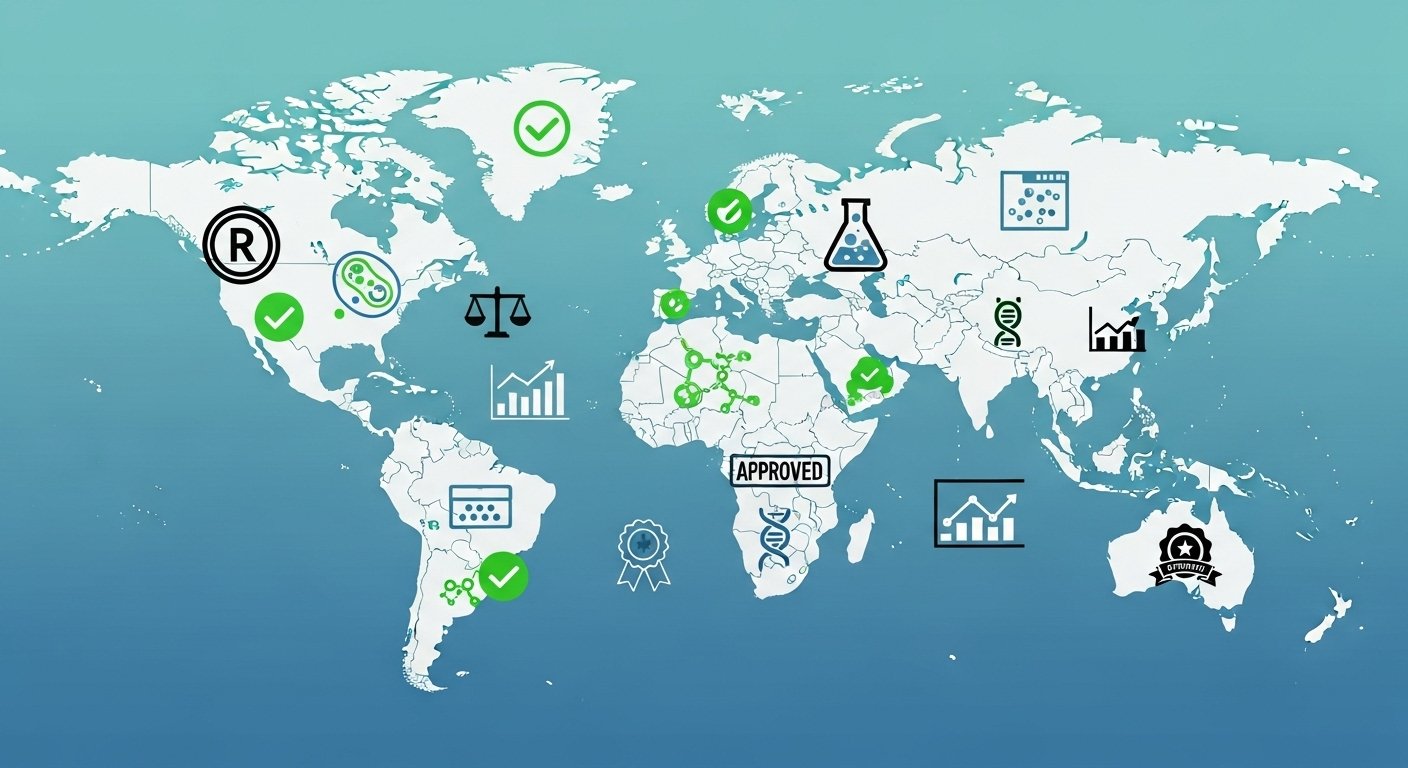
If you’ve ever followed the launch of a new food trend, you know it never spreads evenly. Some places jump in with both feet, while others take a slow, cautious peek from the sidelines. Plant-Based Protein 2.0 is no different. And honestly, watching the global rollout feels a little like watching three different movies at once—same storyline, totally different pacing.
Global markets: where adoption is accelerating (US, EU, Asia)
In the US, the energy around alternative proteins feels almost startup-driven—fast, creative, and a little chaotic. People love trying new things here, especially if it promise convenience or a healthier edge. You’ll see fermentation-derived proteins in trendy restaurants long before they hit the frozen aisle.
Europe, on the other hand, is more measured. They care deeply about sustainability and food safety, so adoption moves more slowly—but with strong support once the trust is earned. When Europeans back something, they tend to stick with it.
Asia is probably the most fascinating story. Countries like Singapore and South Korea are going all-in on cultivated meat and fermentation. Whether it’s limited farmland, cultural openness to new food tech, or government incentives, the momentum there is real.
It makes you wonder: which region will set the tone for the future of protein?
Labeling, safety approval, and consumer trust issues
Let’s face it—most people don’t wake up craving “precision-fermented casein” or “cultivated chicken.” The names alone can feel intimidating. That’s why labeling is such a huge deal. If the packaging sounds too scientific, shoppers get spooked. If it sounds too vague, they feel misled.
Safety approval is another hurdle. Every country has its own rulebook, testing requirements, and approval timelines. This slows things down but also protects consumers—and builds trust when companies finally get the green light.
At the end of the day, people just want to know two things: Is it safe? And does it taste good?
If those boxes get checked, trust grows almost automatically.
If those boxes get checked, trust grows almost automatically.
Business models, cost curves, and investment outlook
Behind every tasty new protein product is a long list of financial realities. Bioreactors aren’t cheap. Cultivated cells need specific nutrients. Fermentation facilities require substantial up-front investments.
But here’s the good part: costs drop as production scales. Just like solar panels, electric cars, and even smartphones, early versions are pricey—but not forever.
Companies are experimenting with smarter business models too:
- Hybrid proteins to lower production costs
- Partnering with legacy food brands for distribution
- Localized production to reduce shipping and storage expenses
Investors are paying attention. They’re not just backing ideas—they’re betting on a future where sustainable protein is mainstream, not niche.
And really, isn’t that the direction the world is heading anyway?
Gaps and Risks to Watch
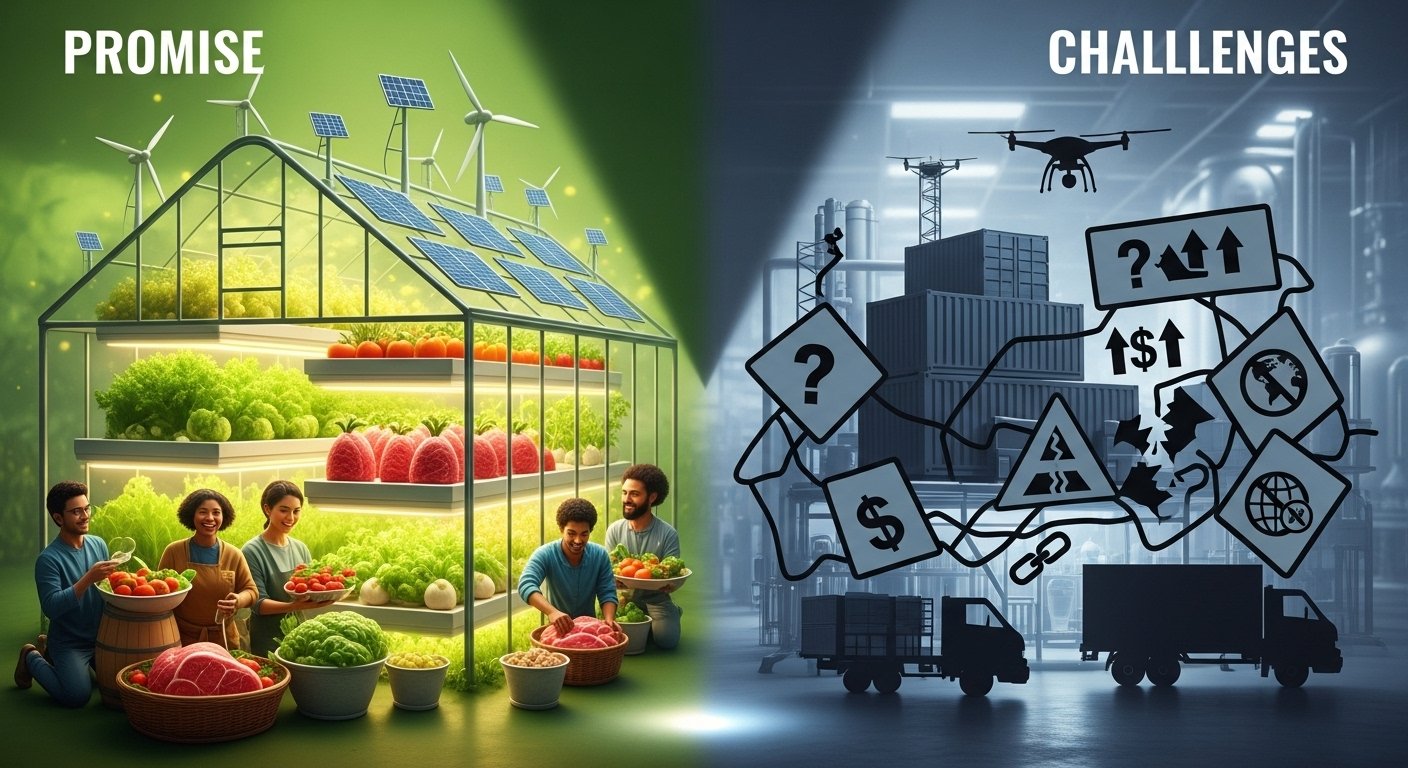
Every big shift comes with a few shadows—questions we haven’t fully answered yet. And while Plant-Based Protein 2.0 feels incredibly promising, it’s worth slowing down and looking at the parts of the story that aren’t as shiny. Not to scare anyone off, but to help us move forward a little smarter.
Sustainability trade-offs and supply-chain issues
It’s easy to assume all new protein tech is automatically better for the planet—and in many ways, it is. But behind every fermentation tank and cultivated meat facility is a supply chain that still needs energy, water, and raw materials.
Fermentation relies on feedstocks like sugar or plant-based carbohydrates. Cultivated protein needs growth media that isn’t always cheap or simple to produce. And scaling production means building factories, shipping inputs, and managing waste responsibly.
Some days it feels like solving one problem creates three smaller ones in the background. But that’s how innovation usually works—step by step, not all at once.
It makes you wonder: can we build a sustainable protein future without repeating the mistakes of traditional agriculture?
Unknowns: long-term health data, consumer perception, food processing concerns
Here’s the honest truth—these proteins are still new. We don’t yet have 20 years of long-term health data. Early research looks promising, but that missing time gap can make some people hesitant. And that’s okay.
Consumers also wrestle with the “ick factor.” Words like “lab-grown,” “precision fermentation,” or “biomass” sound more like experiments than dinner. Add concerns about ultra-processing, additives, or unfamiliar ingredients, and you’ve got a mix of excitement and hesitation.
If you’ve ever stared at a new product thinking, “This looks cool… but do I trust it?” you’re not alone. Trust builds slowly, and it starts with transparency—not perfection.
Ethical and equity issues (accessibility, affordability, global inclusion)
One risk that doesn’t get talked about enough is fairness. These innovations can’t just be for big cities or higher-income shoppers. If better protein is truly the future, it should reach communities everywhere—not just places with farmers’ markets and boutique grocery stores.
There’s also a global angle. Countries facing food insecurity could benefit the most from stable, sustainable proteins, but only if the technology becomes affordable and shareable.
Affordability, access, and education all shape who gets to enjoy the benefits of Protein 2.0. And if the goal is a better world, we can’t leave anyone behind.
So the big question becomes: how do we build a protein system that lifts everyone, not just early adopters?
Future Forecast: What You’ll See on Your Plate by 2030
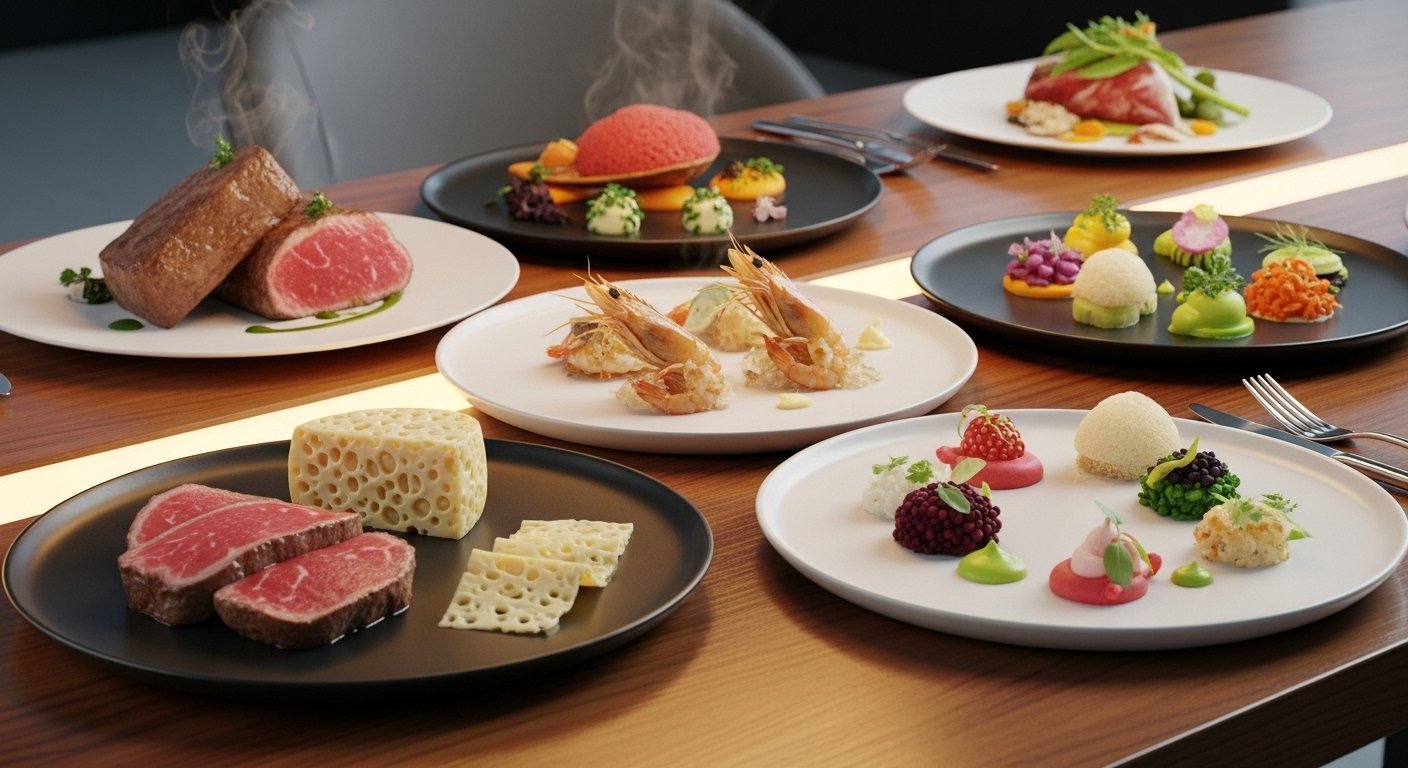
If you’ve ever caught yourself daydreaming about what food will look like in the future—kind of like those old sci-fi movies where everything came in a shiny packet—don’t worry, we’re not headed there. The future looks a lot more familiar, just smarter. Plant-Based Protein 2.0 is quietly reshaping grocery shelves, restaurant menus, and even the snacks we keep in our cars.
What innovation pipelines suggest for the next 5–10 years
Walk into a grocery store in 2030, and you’ll probably see hybrid proteins sitting right next to traditional chicken and beef. Fermentation-based seafood alternatives, precision-fermented cheeses, and supermarket-ready cultivated meats will feel less like futuristic experiments and more like normal Tuesday-night options.
Companies are already testing things like cultivated fat for flavor, fermented egg proteins for baking, and plant-based cuts that tear and chew like the real thing. And as prices drop, these products will shift from “specialty aisle” to “weekly staple.”
Ever imagine tossing cultivated chicken strips into a quick stir-fry without thinking twice? That’s exactly where things are headed.
How does this change diet, culture, and meals globally
Food doesn’t just feed us—it shapes our culture. And as these new proteins spread, we’ll see shifts that go far beyond individual meals. In some countries, Plant-Based Protein 2.0 will help reduce dependence on imported livestock or fish. In others, it might revive classic dishes in lighter, more sustainable ways.
Imagine sushi made with precision-fermented seafood. Barbecue ribs crafted from fermentation-derived biomass. Or family dinners with hybrid meats that keep the flavor traditions alive while cutting the environmental load in half.
Will it replace all traditional foods? Absolutely not. But it will make everyday meals more flexible, more creative, and—honestly—a little easier on the planet.
How you can prepare and benefit as a consumer
You don’t need to overhaul your diet to keep up. Start by trying one new product every few weeks. Notice how your body feels. Pay attention to what fills you up, what tastes satisfying, and what fits your routine.
As more fermented and cultivated options hit the market, look for:
- Foods with complete protein profiles
- Shorter ingredient lists
- Options that balance price and nutrition
- Brands that are transparent about sourcing and sustainability
Small steps now can save you from feeling overwhelmed later. And who knows—you might discover a new go-to snack or recipe you genuinely love.
It’s kind of exciting, right? The idea that the future of food isn’t something to fear, but something you can lean into one bite at a time.
Conclusion
It’s funny how something as everyday as protein can spark a whole new way of thinking about food. The deeper you dive into these emerging options, the more it feels like we’re standing at the edge of a pretty hopeful shift. Plant-Based Protein 2.0 isn’t just a shiny buzzword — it’s a sign that we’re learning, adjusting, and choosing better tools for feeding ourselves and the planet.
And while the science behind it all can seem big and futuristic, the real change happens in the small choices we make every day. Trying a new product. Asking better questions. Staying open to foods that didn’t exist when we were kids.
No pressure, no overnight overhaul — just curiosity guiding the way forward. If this is where food is headed, it might be worth walking toward it with an open mind and a little excitement.
FAQs
Q: Are fermented or lab-grown proteins actually safe to eat?
A: Yes. Both go through strict safety reviews before they ever hit grocery shelves. The processes may sound high-tech, but the final products are tested more thoroughly than most traditional foods, which helps ease many of the concerns about them.
A: Yes. Both go through strict safety reviews before they ever hit grocery shelves. The processes may sound high-tech, but the final products are tested more thoroughly than most traditional foods, which helps ease many of the concerns about them.
Q: Will these new proteins taste weird compared to regular meat or dairy?
A: Not anymore. Early versions were hit-or-miss, but newer fermented and cultivated options are surprisingly familiar. Many people say the flavor and texture feel closer to “real food” than first-gen plant-based products ever did.
A: Not anymore. Early versions were hit-or-miss, but newer fermented and cultivated options are surprisingly familiar. Many people say the flavor and texture feel closer to “real food” than first-gen plant-based products ever did.
Q: Are these proteins healthier than regular plant-based choices?
A: They often are. Fermented proteins tend to digest more smoothly, and some offer a more complete amino acid profile. It’s less about being “better” and more about giving your body a protein source that works with you instead of against you.
A: They often are. Fermented proteins tend to digest more smoothly, and some offer a more complete amino acid profile. It’s less about being “better” and more about giving your body a protein source that works with you instead of against you.
Q: Will cultivated meat replace traditional meat completely?
A: Probably not. Most experts see a blended future in which traditional, plant-based, fermented, and cultivated proteins coexist. The goal isn’t to erase meat — it’s to offer options that are cleaner, kinder, and easier on the planet.
A: Probably not. Most experts see a blended future in which traditional, plant-based, fermented, and cultivated proteins coexist. The goal isn’t to erase meat — it’s to offer options that are cleaner, kinder, and easier on the planet.
Q: Why are these products still so expensive?
A: They’re made with equipment and processes that are still scaling up. As companies build bigger facilities and streamline production, prices are expected to drop — similar to what we saw with electric cars or solar power.
A: They’re made with equipment and processes that are still scaling up. As companies build bigger facilities and streamline production, prices are expected to drop — similar to what we saw with electric cars or solar power.
Q: How do I know which type of alternative protein is right for me?
A: Start with what matters most to you — taste, nutrition, sustainability, or simplicity. Try a few styles, pay attention to how they make you feel, and go from there. Most people end up mixing traditional, plant-based, and Protein 2.0 options over time.
A: Start with what matters most to you — taste, nutrition, sustainability, or simplicity. Try a few styles, pay attention to how they make you feel, and go from there. Most people end up mixing traditional, plant-based, and Protein 2.0 options over time.
Q: Can kids and families eat these new proteins, too?
A: Yes, as long as the product fits their dietary needs. Many families use them as an easy way to add more variety and reduce heavy meats during the week. If your child has allergies or sensitivities, just double-check labels like you normally would.
A: Yes, as long as the product fits their dietary needs. Many families use them as an easy way to add more variety and reduce heavy meats during the week. If your child has allergies or sensitivities, just double-check labels like you normally would.