
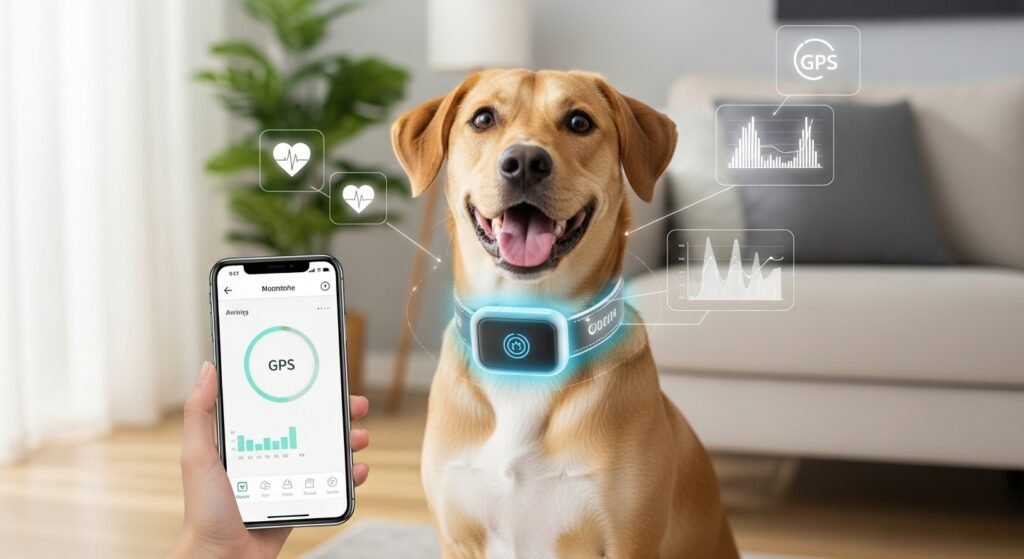
Somewhere between checking my dog’s water bowl for the tenth time and wondering why my cat suddenly turns into a nighttime parkour champion, I realized something: I can’t possibly keep up with everything my pets do. And honestly, most of us can’t. That’s probably why wearable tech for pets has taken off so quickly. It’s not just about tracking steps or location anymore — it’s about real health monitoring, the kind that gives you a little peace of mind when you’re not around.
Truth be told, it still amazes me how a tiny collar or sensor can flag early health changes before we’d ever notice them. As wearable tech is revolutionizing pet health monitoring, it’s quietly changing the way we care for our furry family members, making us more connected to them than ever.
The Rise of Wearables in Pet Health
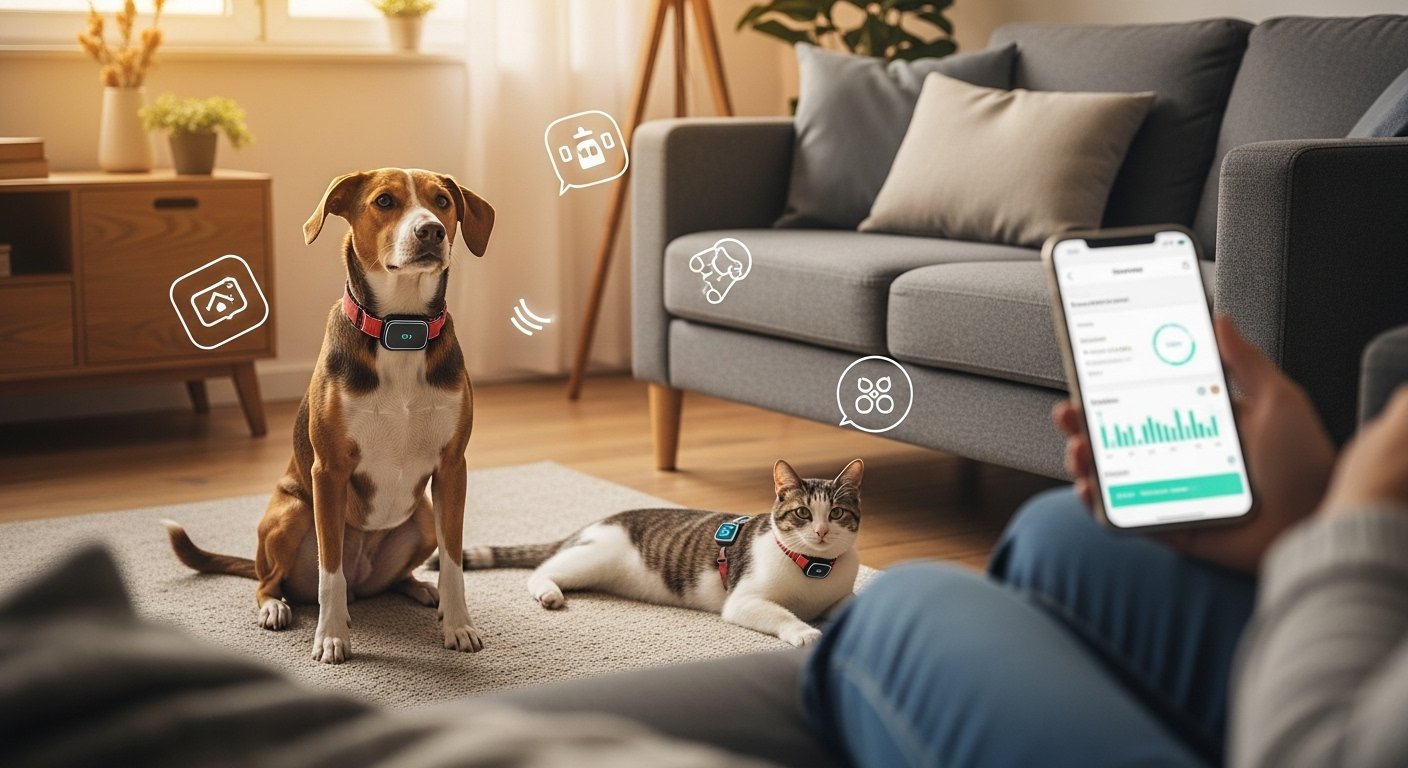
It’s kind of amazing how quickly technology has found its place in our pets’ lives. A few years ago, the idea of putting a smart device on your dog or cat felt a little over-the-top. Now, it feels almost normal—like a natural part of keeping them healthy and safe. And honestly, the shift didn’t happen because of hype; it happened because pet owners started needing more support than regular checkups could provide.
Why pet owners are embracing technology now
If you’ve ever left your dog at home and immediately wondered what they’re doing… yeah, you’re not the only one. A lot of us carry that tiny knot of worry, even when we pretend we don’t. Pets are family, and life gets busy, so we lean on tools that help us stay connected to them.
Wearable tech slipped into the pet world at the perfect time—right when owners were juggling long workdays, unexpected vet bills, and a growing desire to really understand what’s going on with their pets’ health. And honestly, who wouldn’t want a quiet heads-up if their dog’s heart rate spiked or their cat stopped moving around normally?
It’s that mix of love, curiosity, and “I just want to make sure they’re okay” that’s driving this shift.
Ever wish your pet could just tell you if something felt off? Wearables come pretty close.
Ever wish your pet could just tell you if something felt off? Wearables come pretty close.
Market growth, statistics & consumer trends
The numbers don’t lie—pet tech is exploding. Over the last few years, sales of smart collars, GPS trackers, and health sensors have climbed steadily as more owners turn to data-driven care. It makes sense when you think about it: people already track their own steps, sleep, and heart rate. Extending that mindset to pets feels like the next natural step.
And the trend cuts across all types of owners. New pet parents want guidance. Long-time owners want reassurance. Even veterinarians are encouraging the use of wearables because they help detect early signs of trouble.
You can feel the shift everywhere—from TikTok videos of “smart collar updates” to shelves in pet stores filling up with gadgets we didn’t even imagine ten years ago.
The real question is: are we choosing tech because it’s cool, or because it genuinely helps? Honestly… It’s both.
The real question is: are we choosing tech because it’s cool, or because it genuinely helps? Honestly… It’s both.
From fitness tracker to health guardian: evolution of pet wearables
It’s funny to look back and remember how pet wearables started. At first, they were basically tiny Fitbits for dogs—cute, kind of fun, but not exactly life-changing. Then things got serious. Today’s sensors can pick up subtle changes in movement, heart rate, breathing patterns, sleep cycles, and even stress levels.
That evolution didn’t happen overnight. As human wearables improved, pet tech quietly tagged along. Engineers started testing new materials, vets chimed in with clinical insights, and suddenly these devices became powerful health tools.
Now, the latest wearables can alert owners to early signs of arthritis, infections, anxiety, or heart issues—often before symptoms are visible. That shift from “novel gadget” to “health guardian” is the real revolution.
Isn’t it wild how quickly technology grows up? One day it’s a toy; the next, it’s a life-saver.
Isn’t it wild how quickly technology grows up? One day it’s a toy; the next, it’s a life-saver.
How Pet Wearable Technology Works
If you’ve ever wondered how a little tag on your pet’s collar can know so much—honestly, same. It feels a bit magical at first. But once you dig in, you realize there’s a whole world of quiet, behind-the-scenes tech working overtime to keep your pet safe. And the cool part? You don’t have to be “techy” to understand any of it.
Key sensors and data metrics (activity, heart rate, temperature, GPS, sleep)
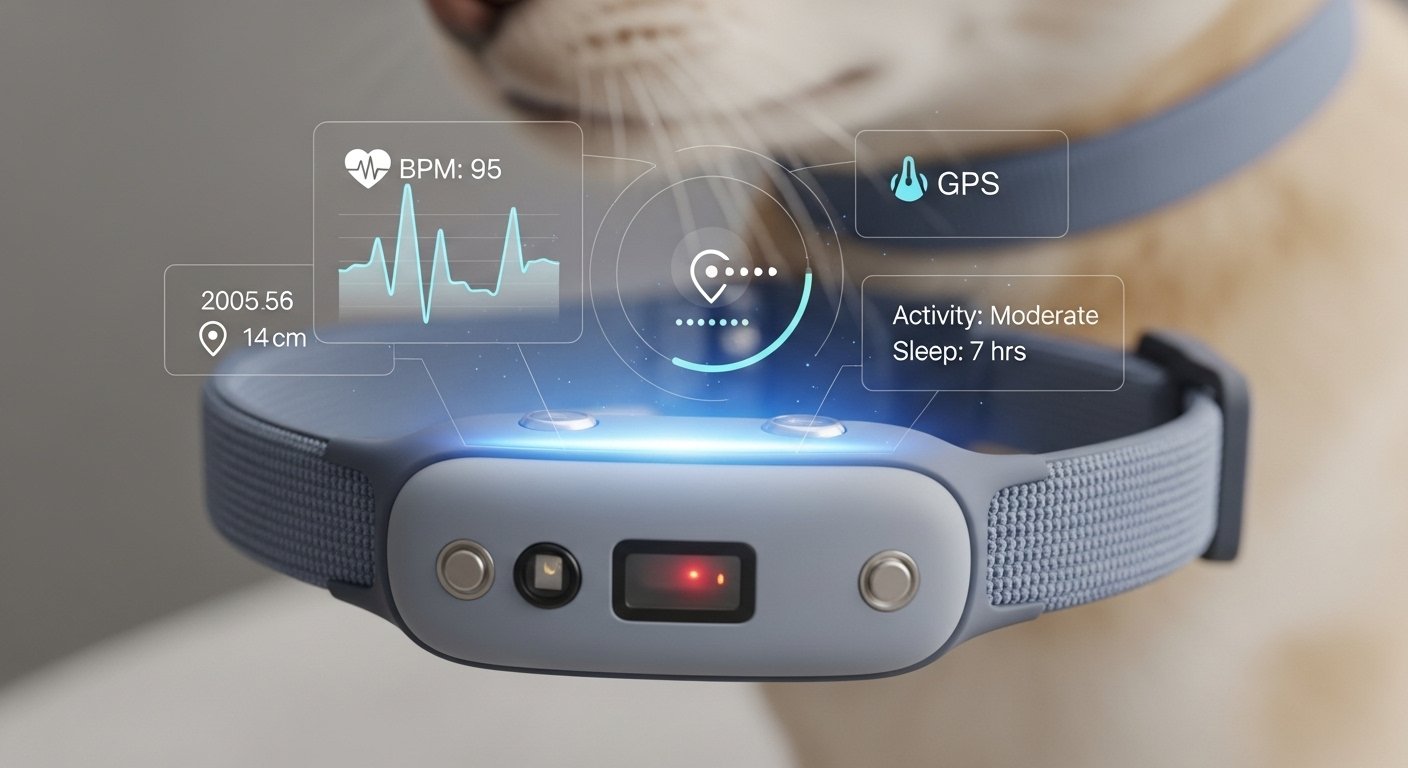
The beauty of pet wearables is how they gather tiny bits of information all day long without bothering your pet. Most devices use motion sensors to track steps, rest time, and sudden changes in activity. Some go even deeper—monitoring heart rate, breathing patterns, and body temperature so you can spot something unusual before it turns into a bigger problem.
And yes, GPS still plays a star role. Whether you have an adventurous cat who believes midnight is “exploration hour,” or a dog who thinks the fence is just a suggestion, GPS gives you instant peace of mind.
Sleep tracking is another unsung hero. If your pet suddenly wakes up more at night or naps too much, these patterns can hint at discomfort or illness.
Isn’t it wild how much you can learn from data you never knew existed?
Isn’t it wild how much you can learn from data you never knew existed?
Connectivity & platforms: apps, cloud, vet integration
All those tiny data points don’t just sit on the device—they sync to an app where everything is organized in a way that actually makes sense. Most apps show simple charts or color-coded alerts, so even on busy days, you get a quick snapshot of your pet’s well-being.
Behind the app, the cloud quietly stores long-term patterns. That history becomes incredibly useful when you’re trying to figure out whether a change is a one-time thing or something worth checking with your vet.
And speaking of vets, many wearable platforms now let you share data directly with your clinic. Imagine walking into an appointment and your vet already knows your dog hasn’t been sleeping well or has been less active.
Wouldn’t that make vet visits feel a lot more productive?
Wouldn’t that make vet visits feel a lot more productive?
Breed & species-specific design considerations (dogs, cats, small pets)
Here’s where things get interesting: not all pets experience wearables the same way. A sturdy, energetic dog might barely notice a collar-mounted sensor. But a cat? They’ll stage a silent protest if something feels even slightly “off.”
That’s why companies now tailor sensors, straps, and device weights based on species and even breed size. Smaller pets need featherlight materials. Cats need flexible designs that don’t snag or make noise. Large dogs need durability—something that survives zoomies, wrestling matches, and backyard adventures.
Choosing the right wearable isn’t just about features; it’s about comfort, fit, and how your specific pet behaves.
Because if your pet hates wearing it… Let’s be honest, it won’t get used.
Because if your pet hates wearing it… Let’s be honest, it won’t get used.
Core Benefits: Health, Wellness & Behavior
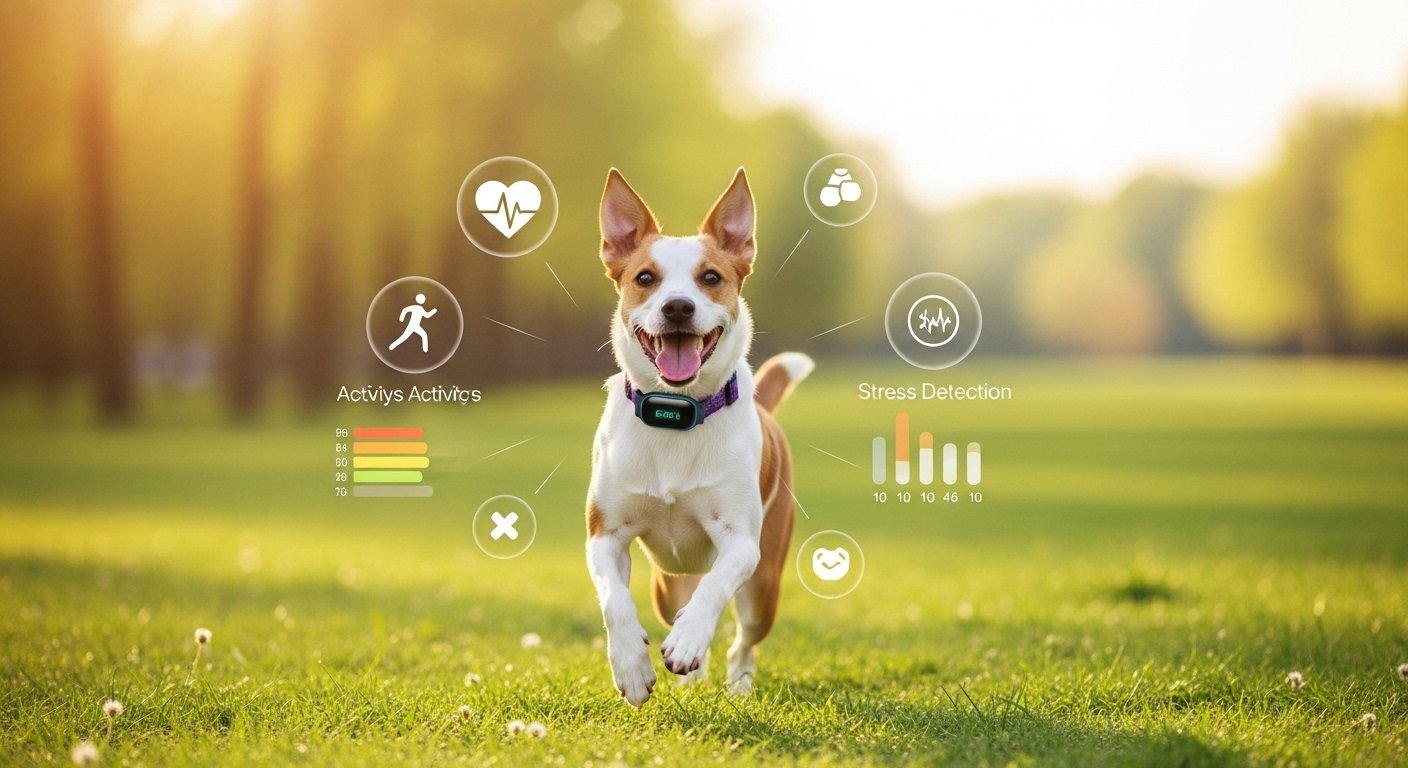
If you’ve ever looked at your pet and thought, “I wish you could just tell me what’s wrong,” you’re not alone. That feeling is exactly why so many owners turn to wearable tech today. It doesn’t replace your instincts—but it gives you more to work with, which honestly feels like a breath of fresh air.
Early illness detection & preventive care
Many health problems start quietly. A small drop in activity here, a slight change in sleep there—things you’d never notice if life gets a little hectic. Wearable devices pick up on those tiny changes and gently nudge you when something seems off.
Imagine getting a ping that your dog’s heart rate has been higher than normal for two days, or your cat hasn’t moved much since morning. It’s the kind of heads-up that lets you act early, long before a small issue turns into an emergency.
Wearables make preventive care feel less like guesswork and more like teamwork.
Wouldn’t it be nice to catch things early instead of wondering what you missed?
Wouldn’t it be nice to catch things early instead of wondering what you missed?
Chronic disease management and post-surgery recovery
Anyone who’s cared for a pet with arthritis, diabetes, or heart issues knows how stressful it can feel. You’re watching every movement, trying to read every little sign, hoping you’re doing the right thing.
Wearable tech lifts some of that weight off your shoulders. It tracks patterns—how much they’re walking, how well they’re resting, whether their vitals stay stable—and helps you see their progress day by day.
During post-surgery recovery, this becomes even more valuable. Instead of checking on them every few minutes, you can rely on the device to alert you if something drifts outside the normal range. It’s like having a quiet co-pilot helping you care for them.
Isn’t recovery easier when you’re not constantly second-guessing yourself?
Isn’t recovery easier when you’re not constantly second-guessing yourself?
Behavior, mood & stress monitoring
Pets may not talk, but their bodies say a lot. Wearables can track restlessness, pacing, sudden drops in activity, or unusual nighttime habits—little clues that hint at stress, anxiety, or discomfort.
For example, if your dog’s “calm time” suddenly drops or your cat’s sleep becomes choppy, it could point to pain or emotional stress. And when you spot these changes early, you can fix things—like adjusting their environment, adding enrichment, or checking in with your vet.
It’s surprisingly comforting to have data that helps you better understand their mood.
Who wouldn’t want a clearer window into what their pet is feeling?
Who wouldn’t want a clearer window into what their pet is feeling?
Enhancing the pet-owner-veterinarian connection
Wearables don’t just help pets—they make communication easier for the humans involved, too. Instead of trying to explain vague symptoms like “he seems tired” or “she’s been acting different,” you can walk into the vet’s office with real data.
Your vet can look at trends, compare patterns, and make faster, more accurate decisions. And for you, it feels reassuring to share actual numbers rather than rely on memory or guesswork. It turns the whole experience into a true partnership.
In a way, wearable tech helps everyone speak the same language—even when the pet can’t.
Wouldn’t vet visits feel less stressful if you knew your info was spot-on?
Wouldn’t vet visits feel less stressful if you knew your info was spot-on?
Device Types & Choosing the Right Wearable
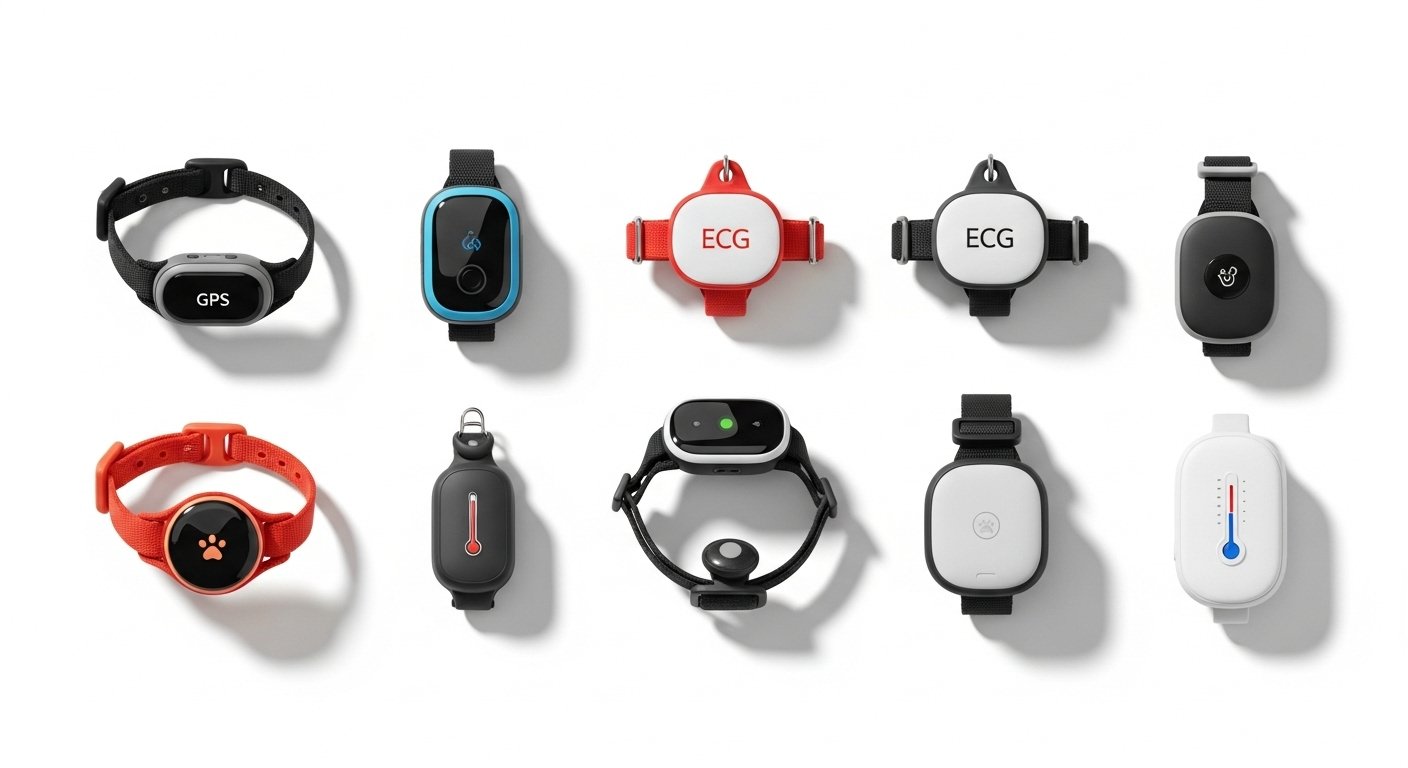
Choosing a wearable for your pet feels a lot like shopping for shoes online—you think you’ve found the perfect fit, and then your pet looks at you like, “Absolutely not.” So it helps to know what’s out there, what actually matters, and what’s just clever marketing. Let’s break it down so the decision feels a little less overwhelming.
Smart collars, tags & harnesses
Smart collars and tags are the “starter pack” for most pet parents. They’re simple, lightweight, and honestly, the easiest to get your pet used to.
These devices track the basics—steps, movement, GPS location—and some even monitor sleep or mild changes in activity. They work great for adventurous dogs and curious cats who treat the backyard like it’s their personal kingdom.
These devices track the basics—steps, movement, GPS location—and some even monitor sleep or mild changes in activity. They work great for adventurous dogs and curious cats who treat the backyard like it’s their personal kingdom.
If your pet already wears a collar or harness comfortably, this type of wearable feels like a natural upgrade.
Ever wonder where your cat sneaks off to at 3 a.m.? These devices finally spill the secrets.
Ever wonder where your cat sneaks off to at 3 a.m.? These devices finally spill the secrets.
Vital-sign monitors & ECG/temperature bands
These are the heavy hitters of pet health wearables. Instead of just tracking activity, they monitor heart rate, breathing, temperature, and other subtle signs that can reveal early illness.
They’re especially helpful for older pets, pets with chronic health issues, or breeds that are more prone to certain conditions. A small temperature shift or an irregular heartbeat can be detected before your pet even shows signs of illness.
Think of these as the “health guardian” category—not flashy, but incredibly meaningful.
Wouldn’t it feel reassuring to know your pet’s vitals stay stable overnight—even when you’re asleep?
Wouldn’t it feel reassuring to know your pet’s vitals stay stable overnight—even when you’re asleep?
Integrated systems: feeder + tracker + health monitor
Some companies are taking things a step further by building full ecosystems—smart feeders that talk to the tracker, trackers that talk to water fountains, and apps that tie everything together.
For multi-pet homes or busy owners, these setups are lifesavers. You can track who ate what, who slept where, and whether everyone’s activity levels look normal. It’s like having a tiny pet-care assistant running quietly in the background.
These systems tend to cost more, but they combine convenience with real wellness insights.
Is it extra? Maybe. But is it ridiculously helpful? Absolutely.
Is it extra? Maybe. But is it ridiculously helpful? Absolutely.
How to pick: comfort, battery life, breed fit, subscription vs one-time purchase
Here’s where many pet owners get stuck. Every brand claims to be “the best,” but the right device is the one your pet doesn’t fight and you don’t forget to charge.
Focus on:
- Comfort first. If it rubs, pinches, or feels heavy, your pet will hate it.
- Battery life. Some last a week; others, a day. Daily charging gets old fast.
- Breed fit. A Great Dane and a Yorkie don’t need the same hardware or strap style.
- Subscriptions. Many “affordable” devices require monthly fees for GPS or health data.
Think about your lifestyle too. If you travel, hike, or have a pet who loves running off on mini adventures, a GPS is worth every penny.
Would you use a device that needed charging twice a day? Probably not—and neither will your pet.
Would you use a device that needed charging twice a day? Probably not—and neither will your pet.
Checklist for pet owners: what to ask and what to compare
Before hitting “buy now,” here’s a quick sanity check:
- Does my pet tolerate collars or harnesses?
- How accurate is the health data, and is it vet-approved?
- What’s the real monthly cost (subscription + device)?
- Is the app actually user-friendly, or will I feel lost every time I open it?
- How durable is it? Think chewing, scratching, rain, mud—real-life stuff.
- What happens if I lose the device? Replacement costs matter.
And if a brand doesn’t clearly answer your questions? That’s usually a red flag.
After all, you’re trusting this device with your pet’s well-being—it should earn that trust.
After all, you’re trusting this device with your pet’s well-being—it should earn that trust.
Real-World Case Studies & Data Insights
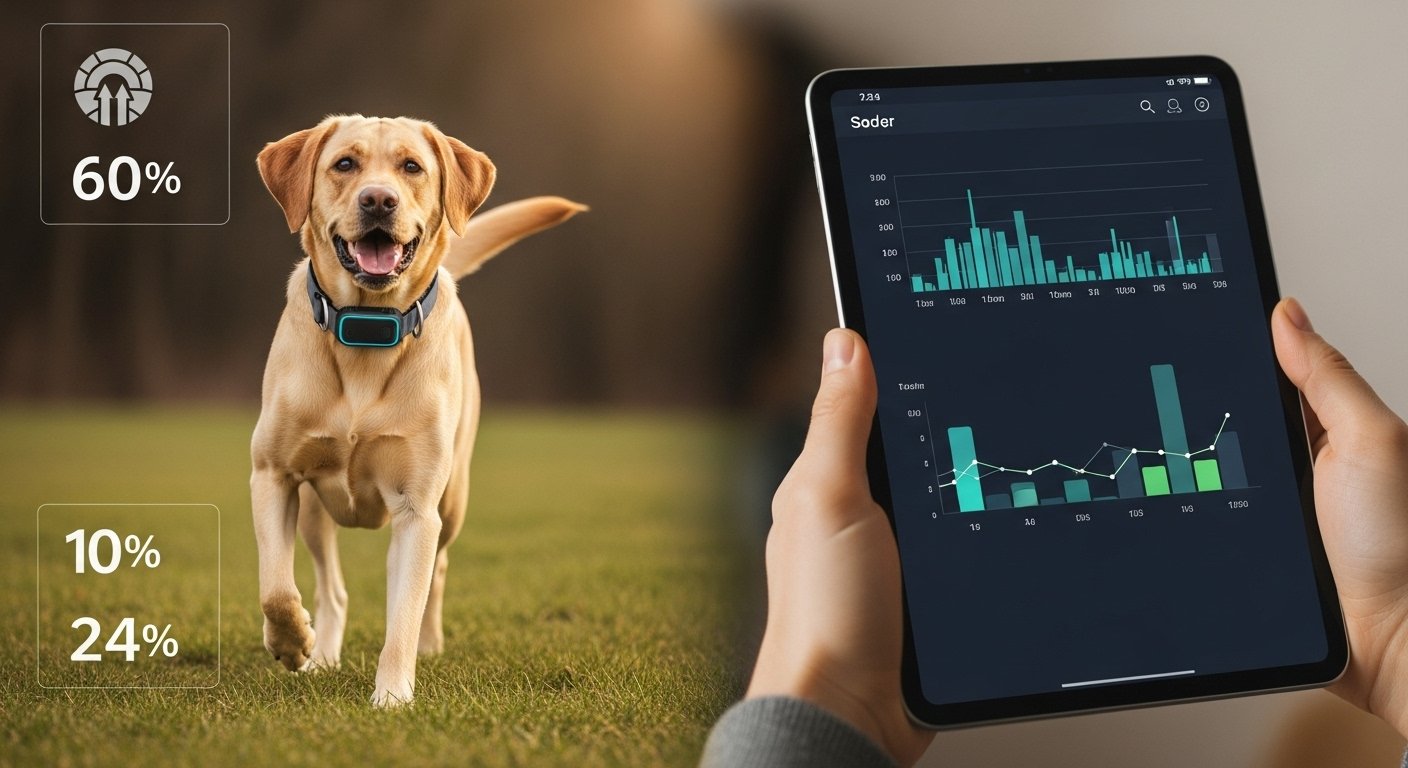
Sometimes the best way to understand what wearable tech can really do is to see it in action. Numbers are great, but the real magic shows up in those everyday moments—the ones where a tiny alert or a small spike in data ends up changing everything for a pet and their family.
Dog example: early detection of joint issues
A friend of mine has a Lab named Cooper—one of those goofy, lovable dogs who thinks every stick is worth chasing. One week, Cooper’s activity tracker kept showing shorter play sessions and longer rest periods. Nothing dramatic, just a slow shift.
At first, it seemed like he was having an off week. But the wearable flagged it as a “significant change in pattern,” which nudged his owners to visit the vet. Turns out, Cooper was in the early stages of joint inflammation. Catching it early meant a simple treatment plan and changes to his daily routine—before it turned into painful arthritis.
It’s wild how a tiny device noticed what even the most attentive owners couldn’t.
How many issues do our pets quietly push through without us realizing?
How many issues do our pets quietly push through without us realizing?
Cat example: activity/sleep irregularities leading to diagnosis
Cats are… well, mysterious. Luna, a quiet gray tabby, wore a lightweight tracking tag mostly because she loved wandering at night. One month, her sleep data became erratic—more nighttime pacing, fewer deep rest periods, and sudden drops in daily activity.
Her owner assumed it was stress or boredom, but the patterns kept shifting. After sharing the data with their vet, Luna was tested and diagnosed with early hyperthyroidism. The wearable didn’t diagnose her—it just whispered, “Something’s not right.”
That early clue made all the difference.
Isn’t it amazing how data can speak when pets can’t?
Isn’t it amazing how data can speak when pets can’t?
Vet key-insight: how clinics use wearable data in practice
Veterinarians love wearable data more than most owners realize. One small-animal vet shared that activity tracking helps them confirm pain levels, monitor recovery, and even catch behavior changes that point to anxiety or digestive issues.
Instead of relying on memory or the classic “he’s been acting weird,” vets get clear charts showing when symptoms started and how they progressed. Recovery plans become more accurate. Medication adjustments become easier. And owners feel more confident because they’re no longer guessing.
It turns vet care into teamwork, not detective work.
Wouldn’t every appointment feel simpler if you walked in with real info instead of guesses?
Wouldn’t every appointment feel simpler if you walked in with real info instead of guesses?
What the numbers show: adoption, accuracy, outcomes
Beyond the stories, the data paints a big picture. Wearable use has jumped dramatically over the last few years as more owners seek proactive tools rather than reactive care. Accuracy has improved too—modern sensors can track subtle shifts in movement, sleep, and heart rate with surprising consistency.
Studies show that wearables help detect early signs of conditions such as arthritis, thyroid problems, infections, and stress-related behaviors. And for multi-pet homes, tracking differences between pets helps owners understand who needs attention and when.
The outcome? Health problems are found earlier, treatments start sooner, and pets live more comfortable lives.
Isn’t that the whole reason we care so much in the first place?
Isn’t that the whole reason we care so much in the first place?
Challenges, Limitations & Ethical Considerations
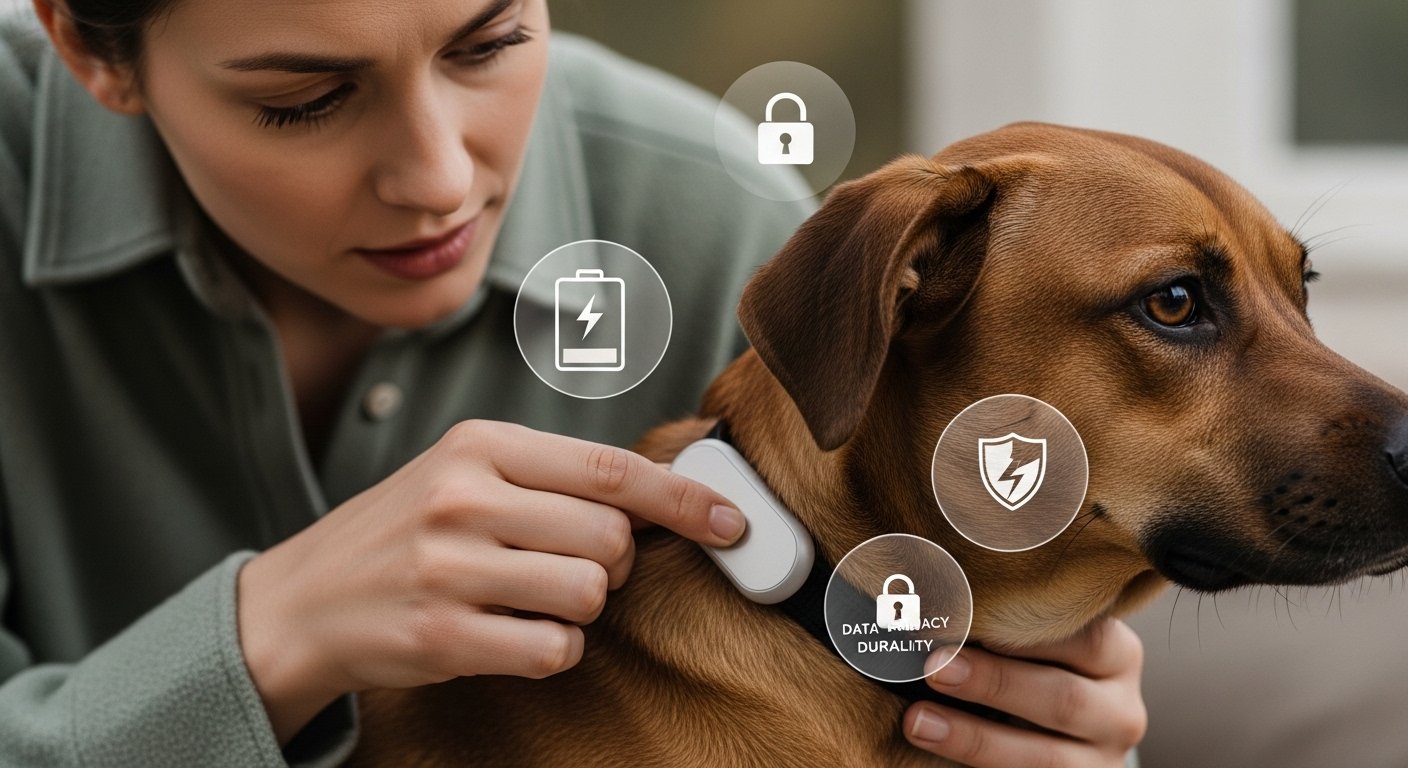
As amazing as wearable tech has become, it’s not perfect—yet. And honestly, that’s okay. Every new tool comes with a learning curve, especially when it’s something your pet wears every day. Understanding these limitations helps you make smarter choices and avoid surprises down the road.
Accuracy, battery & durability concerns
If you’ve ever had your phone die right when you needed directions, you already know how frustrating spotty battery life can be. Now imagine that happening to your pet’s tracker in the middle of a hike. Not ideal.
Some devices also struggle with accuracy—especially on super fluffy pets or during rough play. A long-haired cat rolling on the carpet can look like “high activity,” and water-loving dogs can wear out straps faster than advertised.
Durability varies wildly. A calm indoor cat might never stress a device, but a mud-loving, zoomie-powered dog? That’s a whole different test.
How much can we really expect from a tiny device living on a very active animal?
How much can we really expect from a tiny device living on a very active animal?
Data privacy, security & ethical use of pet data
It’s strange to think about, but even our pets now have “data trails.” Their location, habits, sleep patterns—all stored somewhere in a cloud server.
Most people don’t mind, but it’s worth asking where that data goes and who has access to it. Some brands openly share their policies; others leave you guessing behind vague privacy pages. And while pets aren’t dealing with identity theft, owners still deserve transparency.
There’s also the ethical question: Are we using the data to help our pets… or to control their behavior more than needed? It’s a fine line, and it’s good to stay aware of it.
If we ask companies to protect our own data, shouldn’t we expect the same for our pets?
If we ask companies to protect our own data, shouldn’t we expect the same for our pets?
Cost barriers and subscription models
Let’s be real—some pet wearables cost as much as a decent tablet. And that’s before monthly subscription fees. GPS features, advanced health insights, cloud storage—they’re all locked behind recurring charges.
For many families, this turns a helpful device into a financial puzzle. Is it worth it? Will the features justify the cost? And what happens when prices creep up after a year?
The good news: more brands are offering one-time purchase models, but they usually come with fewer bells and whistles.
Is the best device the one with the most features—or simply the one you can consistently afford?
Is the best device the one with the most features—or simply the one you can consistently afford?
The body-vs-device fit: comfort, species variation, unintended stress.
Not every pet loves wearing things. Some dogs barely notice a collar. Others act like you’ve strapped a brick to their neck. Cats? Well… cats make their feelings very clear.
Fit matters more than people realize. A bulky device on a small dog can throw off their balance. A stiff band on a cat can cause them to freeze or over-groom. Even the sound of a tag tapping can stress some sensitive pets.
Species and breed differences matter too. What works for a Labrador won’t work for a rabbit, and what fits a short-haired dog may not sit well on a fluffy one. Comfort has to come first—otherwise the health data doesn’t mean much.
If your pet is uncomfortable, is any level of tracking really worth it?
If your pet is uncomfortable, is any level of tracking really worth it?
The Future of Pet Health Monitoring with Wearables

It’s kind of wild to think how far pet technology has come in just a few years. If today’s devices can track sleep, heart rate, and stress, imagine what they’ll be doing in a decade. And honestly, the future feels less like sci-fi—and more like a natural next step in giving our pets the care they deserve.
Emerging technologies: AI, predictive analytics, non-invasive sensors
AI is already changing the game, but the next wave will go even deeper. Instead of simply tracking behavior, future wearables will interpret it. Imagine an app saying, “Your dog’s gait changed slightly this week—possible early hip discomfort.”
Predictive analytics will turn thousands of tiny data points into meaningful warnings. A pet could show subtle signs of illness days—or even weeks—before symptoms appear. It’s like having a tiny health detective sitting on their collar, working quietly in the background.
And sensors? They’re getting smaller, softer, and way more comfortable. Think flexible skin patches, ear-mounted trackers, or even smart ID chips that gather wellness data without touching the skin at all.
Isn’t it crazy how tech keeps shrinking while its impact keeps growing?
Isn’t it crazy how tech keeps shrinking while its impact keeps growing?
Veterinary telehealth integration & remote monitoring
Telehealth for pets used to feel like a temporary convenience. Now, it’s becoming a core part of modern care. In the future, vets will be able to monitor pets remotely with real-time data—meaning fewer emergency visits, fewer “wait and see” moments, and more personalized advice.
Picture this: your vet gets an automatic alert when your pet’s vitals drift outside their normal range. They send you a quick message, suggest simple steps, and only recommend a visit if it’s truly necessary.
For pets with chronic conditions, this kind of continuous monitoring could be life-changing.
Wouldn’t vet care feel so much more supportive if you didn’t always have to guess when to call?
Wouldn’t vet care feel so much more supportive if you didn’t always have to guess when to call?
Global outlook: markets, accessibility & regulatory environment
As wearable tech grows, so does the push to make it accessible worldwide. Developed countries are already embracing advanced tracking tools, while emerging markets are catching up fast with budget-friendly alternatives.
Of course, accessibility isn’t just about price—it’s also about regulations. Countries are still figuring out how to handle data privacy, medical-grade monitoring, and cross-border tech compatibility. The rules will evolve, and brands will need to follow them to keep pets safe and owners confident.
Still, the direction is promising. More options, better standards, and a global understanding that pet health tech isn’t a luxury—it’s becoming a basic part of responsible care.
Isn’t it amazing how pet well-being is becoming a global shared priority?
Isn’t it amazing how pet well-being is becoming a global shared priority?
How pet care might look in 2030 and beyond
By 2030, wearable tech may feel as normal as microchips do today. Devices will be lighter, smarter, and practically invisible. Apps will read long-term patterns, compare data with millions of other pets, and give recommendations tailored to your pet’s age, breed, and habits.
Future homes might include integrated pet health hubs—smart beds that track sleep, feeders that adjust portions automatically, or doors that alert you if your older dog struggles to stand after resting.
And maybe the biggest change? Peace of mind. Owners won’t rely on guesswork. Pets won’t quietly suffer through symptoms. Care will shift from reactive to proactive—finally giving animals the voice they’ve always deserved.
Can you imagine a world where pets get help before they even know they need it?
Can you imagine a world where pets get help before they even know they need it?
Practical Tips for Pet Owners
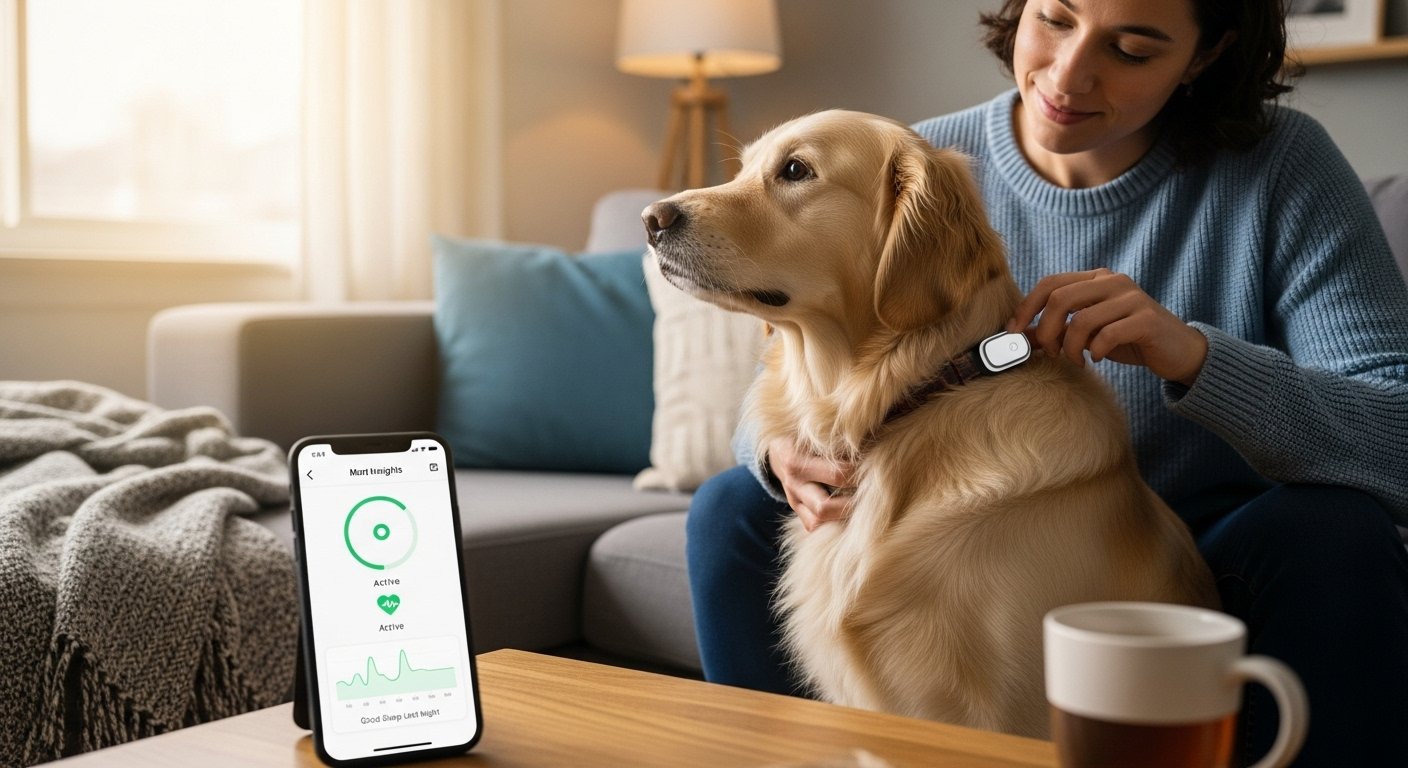
Bringing wearable tech into your pet’s life shouldn’t feel overwhelming. The goal isn’t perfection—it’s small steps that make caring for your furry friend easier and more comforting. These tips are here to help you enjoy the tech without letting it run your life.
How to integrate wearables into your pet’s routine
If your pet is anything like mine, they know when anything new touches their body. Even a new collar can trigger the dramatic “statue freeze.” So start slow. Let them sniff the device first. Clip it on for a few minutes, then take it off.
Each day, increase the time just a little. Pair it with treats or belly rubs so the device becomes a “good thing,” not a weird annoyance. Before long, they’ll barely notice it—kind of like how we forget we’re wearing a watch.
The key is patience, not pressure.
After all, would you love wearing something new 24/7 right away? Probably not.
After all, would you love wearing something new 24/7 right away? Probably not.
How to read and act on wearable data responsibly
Wearable data is helpful, but it’s not a crystal ball. A slight dip in activity doesn’t automatically mean something is wrong. Look for patterns, not single spikes.
Check your pet’s weekly overview instead of stressing over every tiny alert. If you see consistent changes—less playtime, shorter walks, or weird sleep cycles—that’s when it’s worth taking a closer look. Think of yourself as the “translator” of your pet’s digital language.
And remember: the goal is awareness, not anxiety.
Isn’t it nice to know more without assuming the worst?
Isn’t it nice to know more without assuming the worst?
Working with your veterinarian to interpret findings
You don’t need to be a data expert—that’s what vets are for. Bring your pet’s activity charts, heart rate graphs, or sleep logs to your next appointment. Most veterinarians love having more context—it makes their job easier and your pet’s care more accurate.
If something looks off and you’re unsure whether it’s urgent, call the clinic and say, “Hey, my pet’s wearable noticed a pattern—can I share it with you?” You’d be surprised how quickly vets can spot early signs from trend changes alone.
It turns appointments into team efforts instead of guessing sessions.
Why guess when your vet can help connect the dots?
Why guess when your vet can help connect the dots?
Cost-effectiveness: When a wearable makes sense
Wearables sound amazing, but let’s be real—they can get expensive. Not every household needs the fanciest model with a monthly fee. So ask yourself a few simple questions:
- Is my pet older, or is it managing a chronic condition?
- Do they wander, escape, or stay active outdoors?
- Do I want early detection support to avoid surprise vet bills later?
If your answer is “yes” to any of these, a wearable is usually worth the investment. But if your pet barely leaves the couch and you’re home most of the day, a simpler (even non-GPS) model may be enough.
Think of it like buying health insurance—you choose the plan that fits your life, not someone else’s.
Is the goal peace of mind, convenience, or deeper health insights? Your answer decides the cost balance.
Is the goal peace of mind, convenience, or deeper health insights? Your answer decides the cost balance.
Conclusion
It’s kind of amazing, isn’t it, how quickly our pets have become part of this tech-connected world? One minute we’re guessing why they’re acting a little “off,” and the next we’re getting gentle nudges from a tiny collar that knows their habits better than we do. Somewhere in that shift, caring for our pets has started to feel a little less like guesswork and a lot more like partnership.
Wearable tech is revolutionizing pet health monitoring in a way that quietly supports the love we already pour into our animals. It doesn’t replace our instincts—it just gives us more clarity, more confidence, and honestly, a deeper connection to the little lives that depend on us.
So maybe the real question now is simple: what if the future of pet care isn’t just smarter… but kinder?
FAQs
Q: My dog seems fine, so is a wearable tracker really necessary?
A: That’s a fair question. A wearable isn’t about replacing your instincts—it’s about giving you extra info you might miss. If your pet slips into a subtle change in behavior or health, the device might catch it before it becomes obvious.
A: That’s a fair question. A wearable isn’t about replacing your instincts—it’s about giving you extra info you might miss. If your pet slips into a subtle change in behavior or health, the device might catch it before it becomes obvious.
Q: How accurate are these pet wearable devices anyway?
A: They’ve come a long way, but like any gadget, they’re not flawless. Fit, breed, and movement all affect the readings. Think of the wearable as a helpful signal, not a full diagnosis. If something stands out, check with your vet.
A: They’ve come a long way, but like any gadget, they’re not flawless. Fit, breed, and movement all affect the readings. Think of the wearable as a helpful signal, not a full diagnosis. If something stands out, check with your vet.
Q: Will my cat or small pet even tolerate wearing a health tracker?
A: It depends—just like humans, each pet has their own preferences. For a sensitive cat or tiny pet, a lightweight, flexible band or tiny tag works better. Introduce it slowly and pair it with treats so it becomes part of their routine.
A: It depends—just like humans, each pet has their own preferences. For a sensitive cat or tiny pet, a lightweight, flexible band or tiny tag works better. Introduce it slowly and pair it with treats so it becomes part of their routine.
Q: What happens with all that health and location data? Is it secure?
A: It’s good to ask. Some devices share data with apps or cloud services, so checking the brand’s privacy policy matters. You’ll want to make sure your pet’s info isn’t used for anything you didn’t sign up for—and that you feel comfortable with the sharing level.
A: It’s good to ask. Some devices share data with apps or cloud services, so checking the brand’s privacy policy matters. You’ll want to make sure your pet’s info isn’t used for anything you didn’t sign up for—and that you feel comfortable with the sharing level.
Q: When is a wearable tracker a smart investment—and when might it be overkill?
A: If your pet has health issues, wanders off, or you want real-time peace of mind, a tracker really shines. On the other hand, if your pet is homebound and healthy, a simpler model might be all you need. Match the tech to your pet’s lifestyle—not the other way around.
A: If your pet has health issues, wanders off, or you want real-time peace of mind, a tracker really shines. On the other hand, if your pet is homebound and healthy, a simpler model might be all you need. Match the tech to your pet’s lifestyle—not the other way around.