

I’ve always believed a place has a completely different personality once the sun goes down. Maybe you’ve felt it too—that little thrill when the streets get quieter, lights start to glow, and the world feels just a bit more mysterious. Honestly, that’s what first pulled me toward noctourism. There’s something addictive about exploring destinations after dark, especially when most travelers are back in their hotels, missing a whole other side of a city or landscape.
Truth be told, the night has its own rhythm, and if you’re even a little curious, it’s worth leaning into. From stargazing in the middle of nowhere to wandering through lively night markets, after-dark adventures can change the way you travel—and maybe the way you see the world.
What is Noctourism — And Why It’s the Travel Trend of 2026
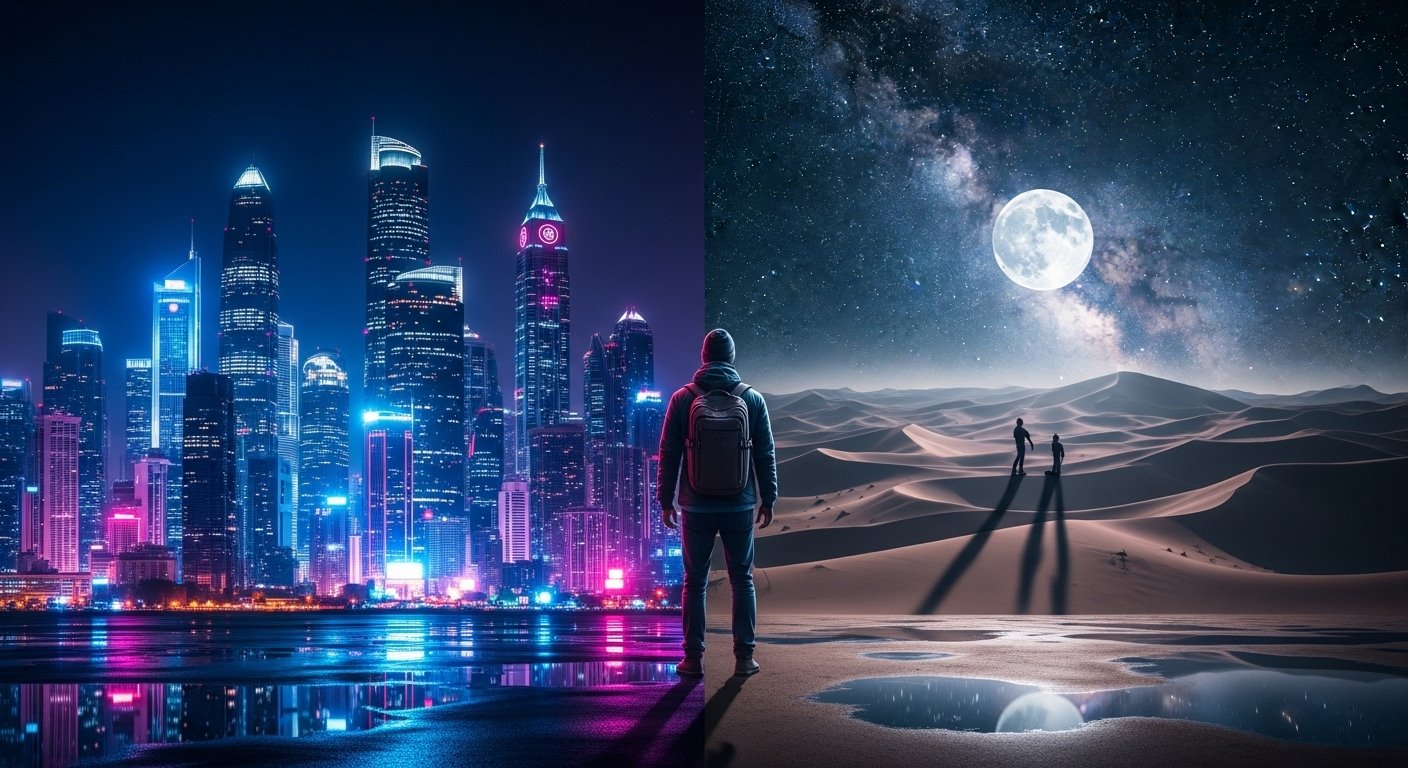
Have you ever noticed how familiar places feel completely different at night—almost like they’re letting you in on a secret? That exact feeling is at the heart of noctourism. It’s not just “traveling at night.” It’s choosing to explore when the world slows down, cools off, and shows a side you’d never catch under the midday sun. And honestly, with the way travelers are shifting their habits, it’s no surprise that noctourism is becoming a full-blown trend heading into 2026.
Defining Noctourism: Night-time travel re-imagined
Think of noctourism as flipping the script on traditional sightseeing. Instead of fighting heat waves, shoulder-to-shoulder crowds, and long lines, travelers are discovering that many destinations feel more magical—and sometimes safer and easier to navigate—after dark.
Maybe it’s wandering through a lantern-lit alley in Kyoto, or taking a late-night food crawl in New Orleans. Maybe it’s stepping outside your hotel at midnight just to see the sky packed with stars. The “definition” isn’t strict; it’s flexible, experiential, and deeply personal.
And really, who says the best memories need sunlight?
Key drivers: temperature, crowds, novelty & the after-dark economy
Let’s face it—daytime travel can be exhausting. Heat, traffic, lines, noise… it adds up. More travelers are choosing nighttime adventures simply because the experience feels calmer and, well, more doable.
Lower temperatures make activities like hiking, market browsing, or city exploring way more comfortable. Plus, with fewer crowds, you’re not fighting for elbow room or photo spots. And of course, there’s the novelty factor. Doing something at night automatically feels a little rebellious, a little special—like you’re seeing behind the curtain.
Cities are catching on, too. Night markets, late-night museum openings, and after-dark food tours—these are all part of a growing night-time economy designed to make evenings more traveler-friendly.
Have you ever traveled somewhere and wished the “best part” had happened later in the day? Noctourism is basically that wish granted.
Who’s doing it and why: traveller motivations & data
Here’s the interesting part: it’s not just one type of traveler driving the trend. Solo travelers love the peacefulness. Couples chase the romance. Families appreciate cooler, calmer evenings where kids aren’t melting down in 100-degree heat. Even retirees are leaning into night tours because they’re gentler and more culturally immersive.
Recent travel reports show a rise in “off-peak exploration,” especially in warmer regions where daytime heat makes normal touring miserable. Add social media into the mix—where night photography looks incredible—and you get a wave of travelers seeking experiences that feel both unique and shareable.
And honestly, who doesn’t want a travel moment that feels like it belongs only to them?
The Big Picture: How the World Looks at Night
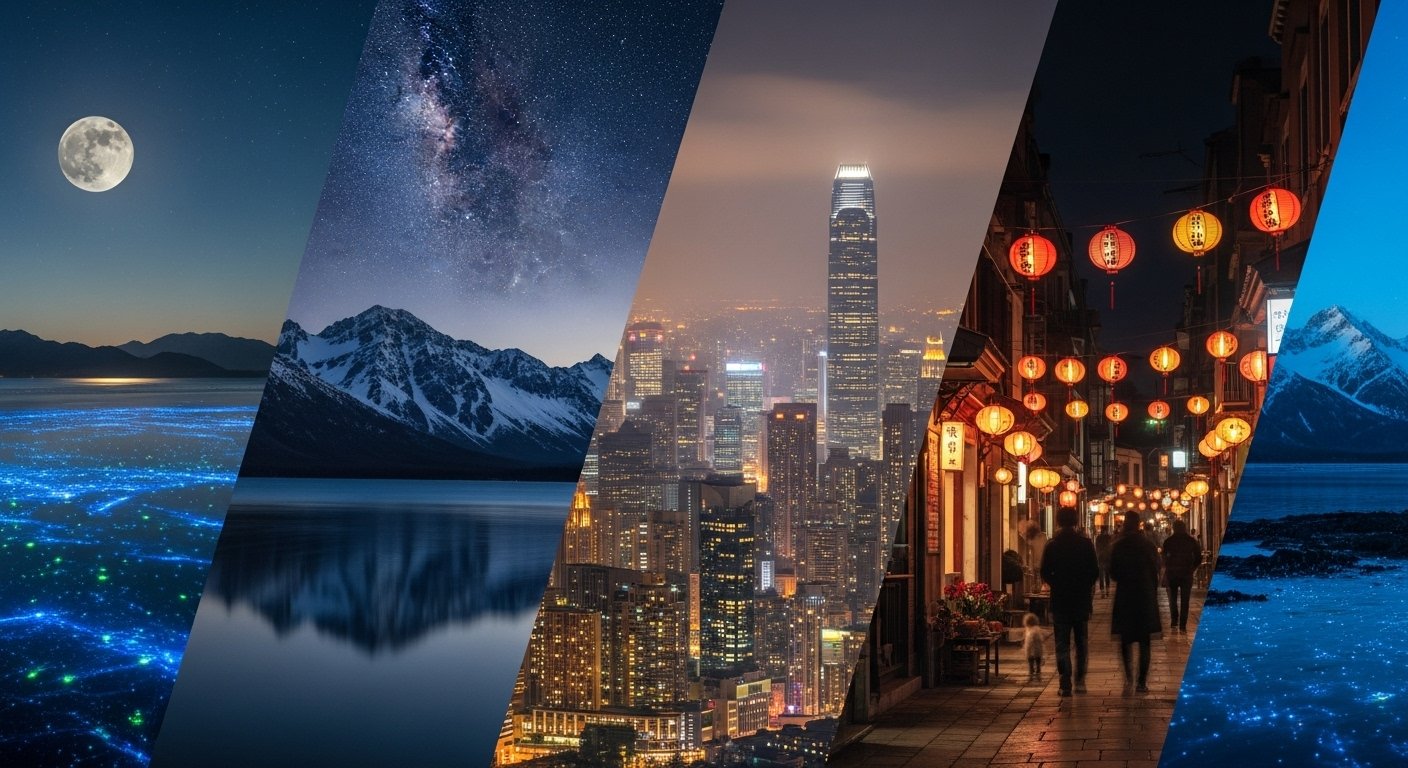
There’s something weirdly comforting about the world after dark. The noise fades, lights flicker on, and suddenly everything feels a little softer around the edges. That shift—the way a place transforms when the sun sets—is a big part of what makes noctourism so addictive.
And if you’ve ever stepped outside late at night while traveling, you probably felt it too. That quiet spark of curiosity. That “should I keep walking just a little farther?” moment. So what exactly does the night reveal that daytime tends to hide?
Urban noctourism: cities lit, nightlife, late-night culture
Cities have a funny way of waking up just as they’re supposed to be going to sleep. Neon signs buzz to life. Food stalls roll out. Music spills from open doors. You can feel the energy shift, like the city is stretching its arms after a long day.
Imagine walking through Chicago’s Riverwalk when everything glows on the water, or exploring Seoul’s late-night markets where you can eat something incredible at 1 a.m. without anyone batting an eye. The night softens the chaos and highlights everything that feels alive.
If you ever want to understand a city’s true personality, try meeting it at midnight. Isn’t it wild how much more honest places feel after dark?
Natural noctourism: stargazing, bioluminescence, night safaris
Nature at night plays by its own rules. The sky goes deep and endless. Crickets take over as the soundtrack. Even the air feels different—cooler, cleaner, almost expectant.
Stargazing in the desert hits you with a kind of awe you don’t shake off quickly. Seeing bioluminescent waves roll up to your feet feels unreal, like someone turned on a blue neon light beneath the ocean. And night safaris? They’re pure adrenaline. Every rustle in the bushes makes your heart jump a little.
These moments remind you how big the world is… and how small you are in the best possible way. Ever had nature surprise you like that?
Mixed/hybrid experiences: illuminated heritage sites, full-moon hikes
Some after-dark moments fall somewhere between city lights and raw wilderness. These hybrid experiences are often the most memorable because they blend culture, atmosphere, and a touch of adventure.
Take a full-moon hike up a coastal trail—no flashlight needed, just moonlight guiding your steps. Or wander through an illuminated heritage site like Rome’s Forum or Egypt’s temples, where shadows make everything feel ancient and alive.
It’s the kind of travel that slows you down. You notice textures, colors, and stories you would’ve walked right past during the day. And honestly, isn’t that why we travel in the first place?
Choosing Your After-Dark Adventure: Types & Ideal Destinations
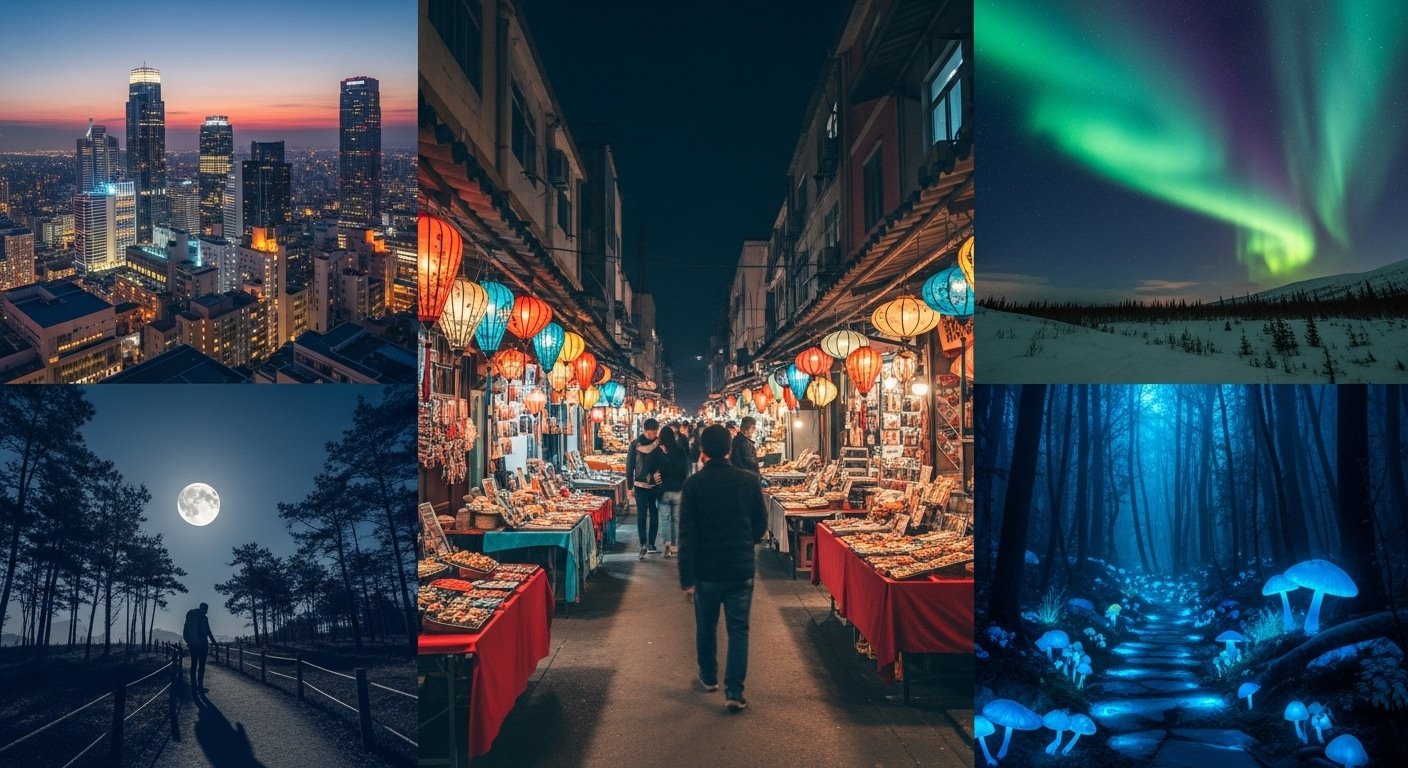
The fun thing about noctourism is that there’s no single “right” way to do it. Your perfect night adventure might look totally different from someone else’s. Some people chase food. Others chase stars. A few chase thrills. And honestly, that’s what makes the night so interesting—you get to pick your vibe.
So, where do you want your night to take you?
Night markets, street food & cultural festivals
There’s something addictive about wandering through a night market where everything is sizzling, glowing, or playing music. The air is thick with spices. The crowd moves in waves. You can try a skewer on one corner and grab a handmade trinket on the next.
Places like Taipei, Bangkok, and Oaxaca know how to do this right. If you’re new to after-dark travel, markets are the easiest way in. Just follow the smell of grilled food or the sound of a drum circle and let the night guide you.
Ever notice how food tastes better when you eat it standing under string lights?
Rooftops, skyline views & city lights
Some nights call for a view. Not a busy itinerary—just a well-placed rooftop and a skyline dressed in neon. Think New York’s High Line at night, Singapore’s rooftop lounges, or LA’s hilltop lookouts.
Rooftops are perfect if you want that “main character moment.” They’re calm, romantic, and ideal for slow travel. Grab a drink, lean on the railing, and just watch the city pulse beneath you. It’s the kind of scene that makes you wonder why more people don’t explore after dark.
Do you ever find yourself just staring at a skyline and losing track of time?
Star-chasing, dark-sky parks & astronomy trips
If you’ve never seen a real dark-sky park, add it to your list right now. The Milky Way doesn’t look anything like pictures—you can actually feel the depth of it when you’re standing under it.
Places like Utah’s national parks, Chile’s Atacama Desert, and rural New Zealand are basically heaven for stargazers. Bring a blanket, download a stargazing app, and let your eyes adjust. Ten minutes of patience pays off big.
And seriously, when was the last time you looked up long enough to actually get lost in the sky?
Wildlife and nature at night: safaris, caves, forests
Nighttime nature hits different. You hear more. You feel more. And your senses stretch in ways daylight never forces them to. From night safaris in Kenya to glowworm caves in New Zealand, there’s a whole world that only wakes up after sunset.
If you try this type of noctourism, go with a guide—someone who can spot animals you’d completely miss and keep you safe. It’s part exploration, part suspense, part “wow, I didn’t know nature did that.”
Ever had that moment when the dark feels surprisingly peaceful instead of scary?
Adventure & wellness after dark: moon-hikes, yoga, kayaking
Some nights are meant for movement. Full-moon hikes along a coastal trail, late-night paddleboarding, or even nighttime beach yoga can feel almost surreal. The world is quiet. Your mind slows down. The moon does half the work lighting your path.
These experiences are great if you want something active but calming—like a reset button you didn’t know you needed. Most places offer guided versions, especially in warm destinations like Hawaii or Costa Rica.
Have you ever noticed how much easier it is to breathe when the world finally stops rushing?
Planning Your Noctourism Trip: A Step-by-Step Framework
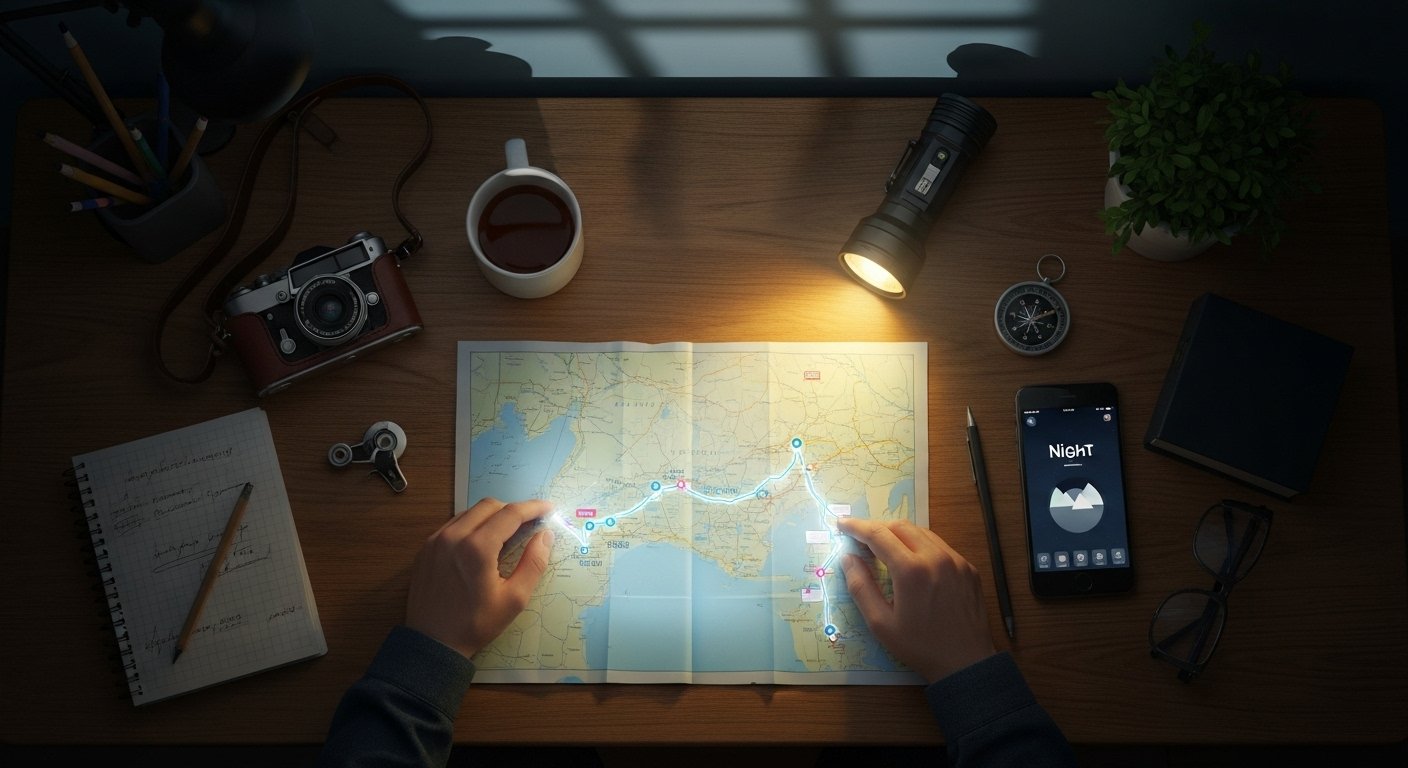
Planning a trip that revolves around the night feels exciting—almost a little rebellious. You’re not trying to fit into the usual “wake up early, rush through sights, crash by 9 p.m.” routine. Instead, you’re shaping your travels around cooler hours, glowing skylines, and moments most tourists never see.
But to make those nights feel magical instead of stressful, a little planning goes a long way. So here’s a simple, human-friendly framework to help you build the perfect after-dark adventure.
Timing & seasonality: when to go for maximum effect
Some nights are simply better than others. Warm climates feel amazing after sunset, while colder regions can get icy fast. So timing matters—and not in a complicated “meteorology chart” way.
If you’re visiting a desert location like Arizona or Dubai, evenings are the sweet spot when the heat finally relaxes. If you want stargazing, aim for new-moon weeks when the sky is darkest. And for city nightlife? Shoulder seasons (spring and fall) keep things busy without the chaos.
Ever notice how a place feels completely different depending on the season? Night travel makes that even more true.
Destination screening: safety, transport at night, local laws
Exploring after dark is incredible, but it shouldn’t be done blindly. Before you lock in your destination, do a quick check:
— Is public transport reliable at night?
— Are certain areas better avoided?
— Do local laws affect night activities or photography?
— Is public transport reliable at night?
— Are certain areas better avoided?
— Do local laws affect night activities or photography?
Some places glow with safe, well-lit streets and active nightlife. Others get quiet fast, which isn’t always bad—but you want to know ahead of time.
A quick search on local forums or asking your hotel can save you from stressful surprises. Because honestly, nothing kills the vibe faster than realizing the last bus left an hour ago.
Budgeting & cost considerations: free vs premium night experiences
Here’s a fun fact: noctourism can be insanely budget-friendly if you want it to be. Night markets, free viewpoints, stargazing, waterfront walks—zero cost, huge payoff.
But on the flip side, some of the best night experiences do come with a price tag. Rooftop bars, guided safaris, night cruises, and after-hours museum tours usually cost more than daytime options.
A simple way to plan: pick one “premium” night experience you really want, then fill the rest with low-cost or free activities. It keeps things special without blowing your budget.
Have you ever noticed how the best nights usually mix simple moments with one standout memory?
Gear, tech & photography: what to pack for the night-time band
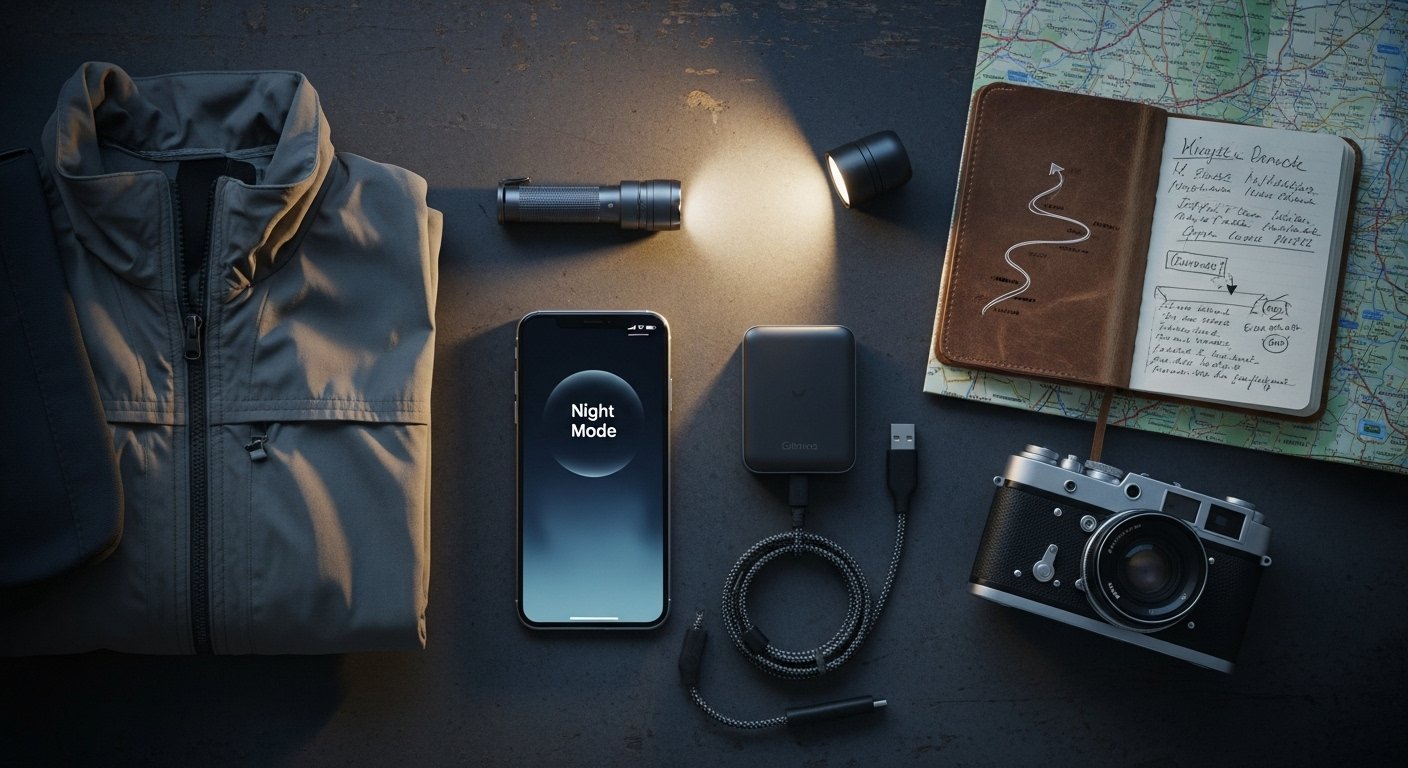
Night travel requires a tiny bit of gear—but nothing that weighs you down. A lightweight jacket, comfy shoes, and a small crossbody bag go a long way. Bring a portable charger because photos, maps, and transit apps drain battery fast at night.
If you want great pictures, switch your phone to “Night Mode,” hold it steady for a second or two, and look for light sources (street lamps, neon signs, moonlight). It’s easier than you think.
And yes—pack a mini flashlight or use your phone’s. Not for spooky caves… just for reading menus in dim lighting.
Ever travel at night and realize your phone hit 3% right when you needed directions? Don’t let that be you.
Sample itineraries: city-night trip, nature-night retreat, mixed mode
Sometimes it helps to imagine how a night-focused trip actually plays out. Here are a few easy examples:
City-night trip (e.g., Tokyo or NYC)
- Late dinner → rooftop view → night market → quiet walk back through lit streets.
Nature-night retreat (e.g., Utah or rural New Mexico)
- Sunset picnic → stargazing → night photography → warm drink by a fire.
Mixed mode (e.g., Cape Town or Honolulu)
- Evening hike → street food → beach stroll → stargazing on the shore.
It doesn’t need to be complicated. Just intentional.
What kind of night would feel perfect for you right now?
Top 10 Must-Visit Noctourism Destinations for Curious Travellers
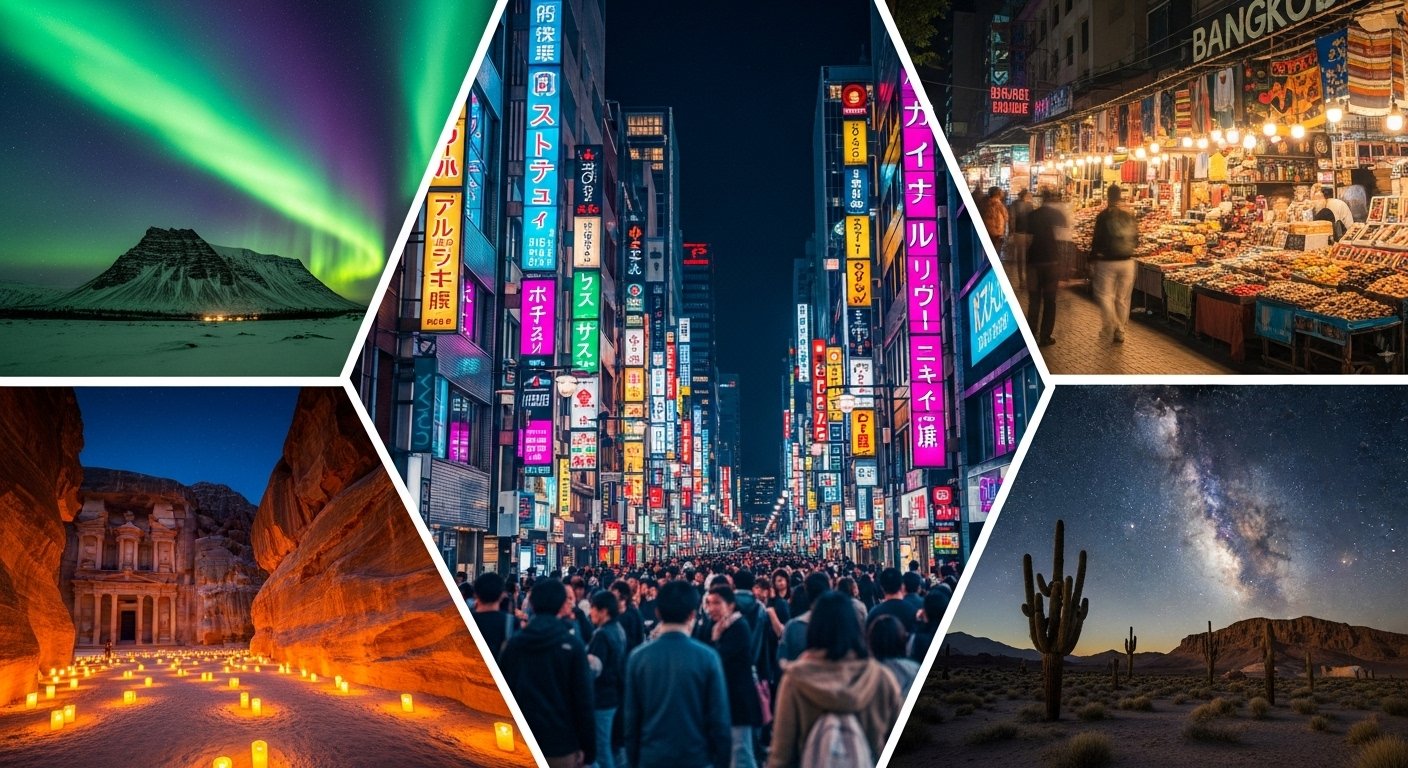
Every destination has a daytime personality, but some places truly come alive after sunset. If you want to build your noctourism bucket list, here are ten places where the night feels like another world—one you don’t want to miss.
1. Tokyo – neon nights and local hidden alleys
Tokyo at night feels like stepping into a movie where the lights never really fade. Shinjuku glows in technicolor, and tiny alleyways—like Omoide Yokocho—fill with sizzling grills and laughter.
The magic is in wandering without a plan. Stop for ramen. Duck into a bar with ten seats. Follow the sound of people singing karaoke at midnight.
Have you ever walked through a city that felt more awake at night than during the day?
Why it’s ideal: Safe, vibrant, endless night energy.
Try this: Grab a late-night train to Shibuya, walk the crossing, then explore the side streets.
Try this: Grab a late-night train to Shibuya, walk the crossing, then explore the side streets.
2. Reykjavik, Iceland – aurora hunts & geothermal dips
There’s nothing quite like standing under an Icelandic sky, waiting for the northern lights to swirl into life. It feels slow at first, then suddenly—boom—the sky starts dancing. And you’re just… there, watching the universe show off.
Afterward, warming up in a steaming geothermal pool under a cold night sky feels unreal. Almost like the earth is giving you a hug.
Ever had a night so quiet you could hear your own breath?
Why it’s ideal: Perfect for aurora viewing, relaxing, and escaping light pollution.
Try this: Join a small-night tour or rent a car to head into the darker countryside.
Try this: Join a small-night tour or rent a car to head into the darker countryside.
3. Bangkok – street food, tuk-tuks & rooftop bars
Bangkok is a sensory overload in the best way. At night, the heat drops just enough for the city to settle into its groove. Street vendors light up their grills, tuk-tuks zip by, and markets fill with chatter.
Start at Chinatown’s Yaowarat Road, where the food is chaotic, delicious, and impossible to resist. Then end your night on a rooftop watching the city sparkle underneath you.
Isn’t it funny how food somehow tastes better when the whole street is glowing?
Why it’s ideal: Night markets, cheap eats, nightlife, and endless energy.
Try this: Hop on a tuk-tuk night tour if you want the full whirlwind.
Try this: Hop on a tuk-tuk night tour if you want the full whirlwind.
4. Petra, Jordan – “Petra by Night” candlelit magic
Petra, after dark, doesn’t feel real. Picture a path lined with hundreds of candles leading to the famous Treasury, flickering in the stillness. Then a Bedouin musician starts playing, and the whole valley feels like it’s breathing.
It’s simple, quiet, and surprisingly emotional—almost like time pauses for a bit.
Have you ever felt a place before you actually saw it?
Why it’s ideal: One of the world’s most atmospheric night experiences.
Try this: Bring a light jacket—desert nights get cold fast.
Try this: Bring a light jacket—desert nights get cold fast.
5. Atacama Desert, Chile – dark sky astronomy
If you’ve ever wanted to see stars the way ancient astronomers did, this is the place. The Atacama sky is so dark and clear that telescopes look almost unnecessary. You feel like you’re floating in space, even though your feet are still on the ground.
This is noctourism at its quietest, most humbling level.
When was the last time you saw a sky with layers of stars?
Why it’s ideal: Zero light pollution and world-class stargazing.
Try this: Book a guided observatory tour for a deeper dive.
Try this: Book a guided observatory tour for a deeper dive.
6. Marrakech, Morocco – medina nights & rooftop teas
The Marrakech medina at night feels like a maze buzzing with life—markets, spices, storytellers, and the smell of fresh bread drifting through the air.
Climb to a rooftop café after exploring, sip mint tea, and watch the city glow under warm lantern light.
Don’t you love it when a place feels both chaotic and comforting?
Why it’s ideal: Culture, food, and late-night markets full of energy.
Try this: Visit the Jemaa el-Fnaa square around sunset.
Try this: Visit the Jemaa el-Fnaa square around sunset.
7. Berlin, Germany – underground clubs & late-night culture
Berlin owns the night. Whether you’re into techno clubs, indie venues, or quiet street cafés that stay open absurdly late, there’s a place for you here.
It’s not about partying—it’s about belonging. Berlin nights feel like you’re part of something, even if you don’t fully understand it.
Ever walked into a place and instantly felt like everyone belonged there?
Why it’s ideal: Music, culture, and a nightlife scene like nowhere else.
Try this: Explore Kreuzberg or Friedrichshain.
Try this: Explore Kreuzberg or Friedrichshain.
8. Singapore – safe, glowing & endlessly walkable
Singapore is the definition of polished noctourism. Gardens by the Bay lights up like a sci-fi movie, and the Marina Bay waterfront is perfect for slow evening walks. Everything is safe, clean, and easy to navigate.
Plus, the food scene after dark? Unreal.
Isn’t it nice when a city feels effortless?
Why it’s ideal: Safe, futuristic, and stunning at night.
Try this: Catch the Supertree light show.
Try this: Catch the Supertree light show.
9. Las Vegas, USA – neon energy & late-night everything
Vegas doesn’t wait for the sun to set—it stays awake around the clock. Neon lights, buzzing casinos, live shows, and world-class restaurants make nights here unforgettable.
But the underrated part? Late-night strolls just off the Strip, where things slow down a little.
Have you ever seen a place shine brighter at midnight than at noon?
Why it’s ideal: High energy, tons of shows, and endless variety.
Try this: Visit Fremont Street for a more local vibe.
Try this: Visit Fremont Street for a more local vibe.
10 South Downs, UK – gentle, peaceful stargazing
If you want something calmer, England’s South Downs might surprise you. It’s a designated Dark Sky Reserve—quiet, rolling hills where stars blanket the sky.
Bring a blanket, a flask of something warm, and just breathe.
Doesn’t a quiet night sometimes feel like a reset button?
Why it’s ideal: Peaceful, safe, and perfect for first-time stargazers.
Try this: Go during new-moon weeks for the best sky views.
Try this: Go during new-moon weeks for the best sky views.
Responsible & Sustainable Noctourism: Respecting the Night
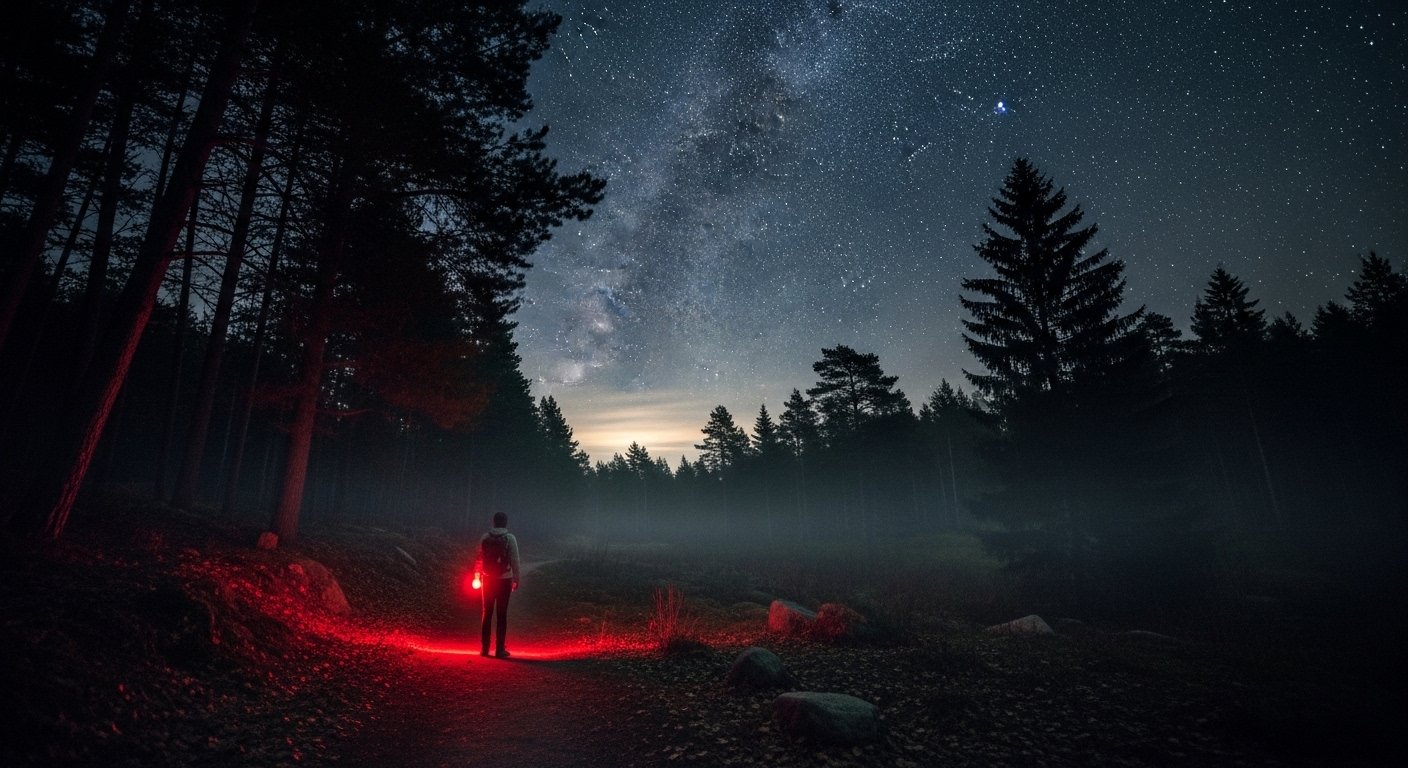
Exploring after dark feels special—almost sacred at times. The world gets quieter, and every sound seems sharper. Because of that, the choices we make at night matter even more. Responsible noctourism isn’t about rules; it’s about noticing the space you’re in and trying not to disturb the calm that makes the night so magical in the first place.
Light pollution, ecological impact & wildlife disturbance
You know how your eyes adjust to the dark after a few minutes? Wildlife depends on that natural darkness all the time. A single flashlight beam or loud voice can throw off animals that are hunting, migrating, or caring for their young.
When exploring nature at night, use dim, red, or warm-toned lights and stick to marked paths. Move slowly. Keep conversations low. It’s surprisingly calming once you get into the rhythm.
Have you ever been in a place so quiet that even the crunch of your shoes felt too loud?
Tip: If you’re stargazing or hiking, choose spots that encourage low-light behavior to protect nocturnal ecosystems.
Cultural sensitivity when exploring after dark
Nighttime is when many communities settle in, close their shops, and protect their privacy. When we’re wandering around as travelers, it helps to remember we’re stepping into someone’s everyday life—even if it feels like a vacation to us.
Dress modestly if the culture calls for it. Ask before taking photos. Respect prayer times, neighborhood noise expectations, and areas marked as private. Being mindful doesn’t take anything away from your night; it actually helps you see a place more clearly.
Isn’t it amazing how far kindness and a little awareness can go?
Supporting local economies through night-economy tours
Noctourism isn’t just about fun adventures—it can genuinely help local communities. Many cities now offer after-dark tours run by small businesses: night food crawls, storytelling walks, cultural performances, and artisan night markets.
Choosing these kinds of activities means your money goes directly into the hands of the people who live there. Plus, you get a deeper, more authentic take on the destination. Everyone wins.
Have you ever noticed how the best travel memories usually come from the people you meet?
How to choose eco-friendly night experiences
The easiest way to travel responsibly at night is to pick experiences that already follow sustainable practices. Look for tours that limit group sizes, use local guides, reduce light use, and follow wildlife protection rules.
If you’re exploring on your own, choose activities with low environmental impact—like stargazing, quiet night walks, or attending open-air cultural events. Bring reusable bottles, avoid glow sticks (they’re terrible for the environment), and skip attractions that exploit animals.
Think of it this way: the night is a guest you’re borrowing. Treat it gently.
Safety, Accessibility & Night Travel Logistics
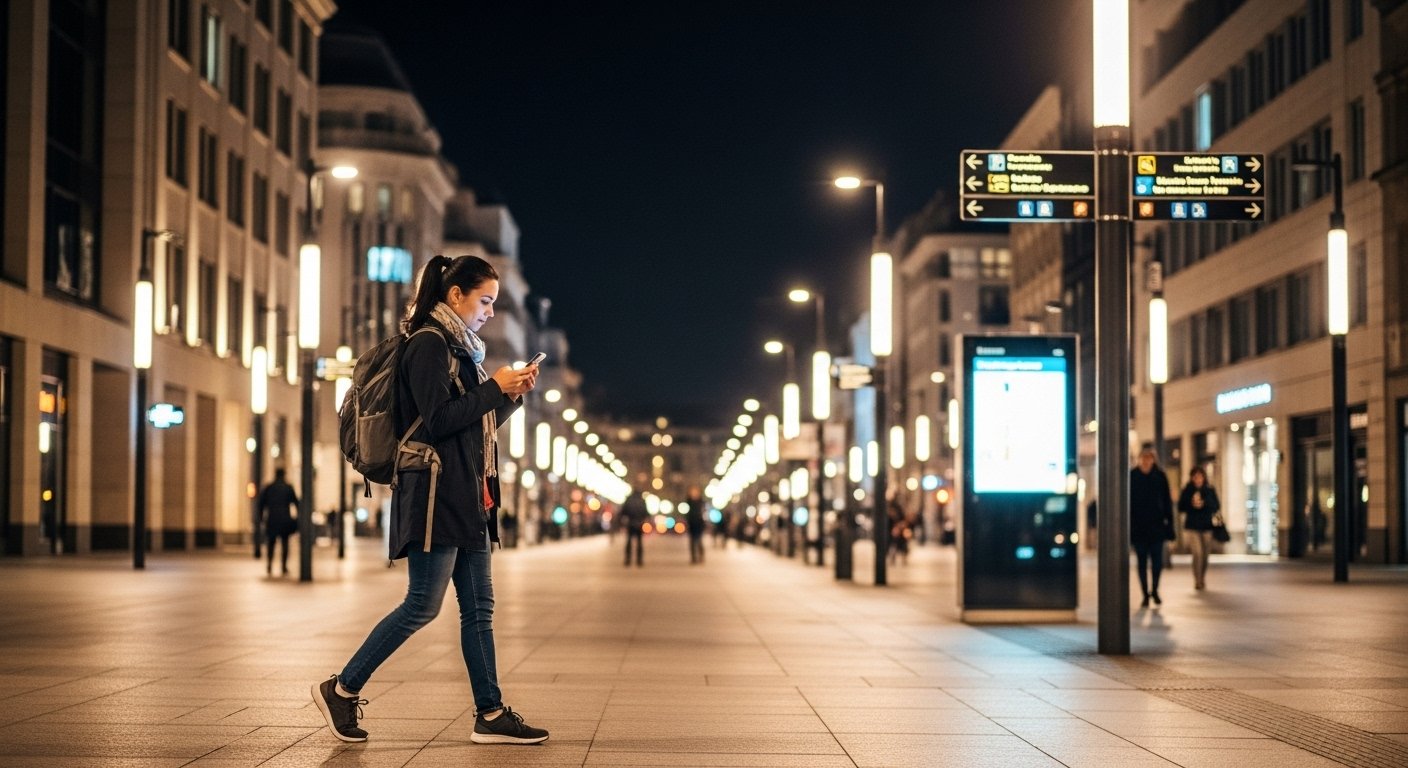
Night travel has its own rhythm. It’s exciting, quieter, and honestly a little mysterious—but it also asks you to be just a bit more aware. Planning for noctourism isn’t about fear. It’s about giving yourself the freedom to enjoy the night without that nagging “uhhh… am I good here?” feeling in the back of your mind.
Transport and infrastructure at night: what to check
Every city handles nighttime differently. Some keep buses and trains running like nothing changed. Others shut down early, leaving you standing on a dim sidewalk, refreshing your rideshare app like it’s a life-or-death mission.
Before heading out, take five minutes to check:
— Last train or bus times
— Rideshare demand at night
— Whether taxis are reliable in that area
— If walking routes are well-lit and busy
— Last train or bus times
— Rideshare demand at night
— Whether taxis are reliable in that area
— If walking routes are well-lit and busy
It’s a simple habit that saves you from getting stranded.
Ever been out late and suddenly realized you had no idea how you were getting back to your hotel? Yeah… It’s better to avoid that moment.
Solo vs group travel after dark: best practices
Traveling at night feels different depending on whether you’re alone or with others. Solo travelers often lean into the peacefulness, but it’s smart to keep your plans a little tighter—share your location with a friend, stick to lively areas, and trust your gut.
Groups get extra confidence, but not a free pass. It’s easy to relax too much when you’re surrounded by familiar faces. Keep track of each other, especially in crowded markets or club districts.
Either way, the trick is the same: stay aware without ruining the vibe.
Have you ever traveled solo at night and felt that mix of thrill and alertness?
Health & wellness (sleep cycles, fatigue, travellers’ body clocks)
When your nights become your “day,” your body definitely notices. Late dinners, midnight tours, and sunrise photo sessions can mess with your sleep faster than jet lag alone.
The easiest fix? Build in buffer time. Sleep in when you can, hydrate more than you think you need, and don’t plan early mornings after a big night out. If your internal clock feels off, try a short nap before heading out at night—it resets your energy surprisingly well.
Your body will tell you what it needs. The question is… are you listening?
Insurance, emergency planning, and local support networks
Nobody likes thinking about emergencies on vacation, but nighttime travel works differently. Pharmacies, clinics, and even convenience stores may close early, so knowing what’s available after dark really matters.
Save local emergency numbers. Download your hotel’s address in the local language (screenshots help!). Identify one 24/7 spot nearby—a hospital, an all-night store, or even a late-night café. It sounds small, but it gives you instant peace of mind.
And double-check your travel insurance covers nighttime activities like night hikes or safaris.
Ever noticed how much calmer you feel when you know you have a backup plan?
The Future of Noctourism: Trends to Watch
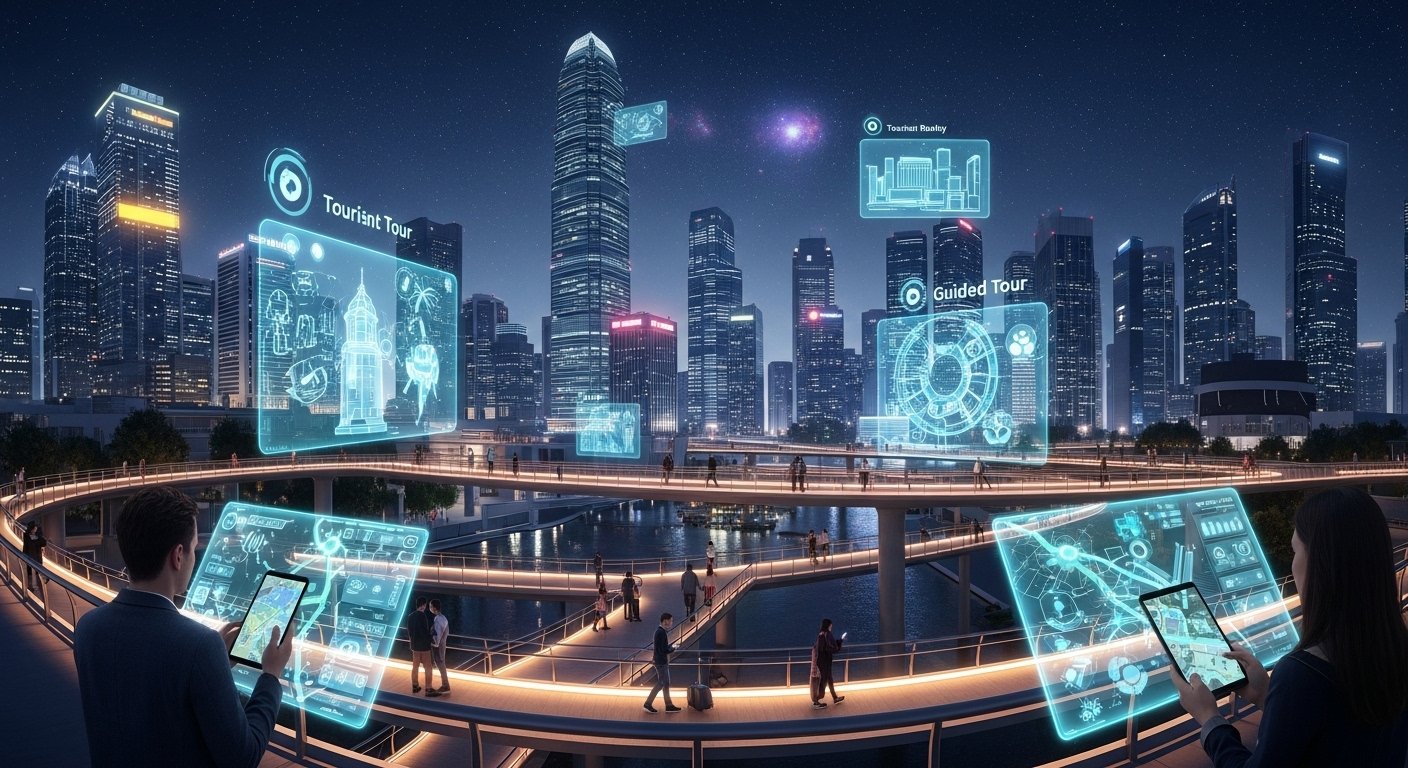
If the last few years have taught us anything, it’s that travelers are no longer satisfied with the “usual” experiences. And honestly, who can blame them? The magic is often in the moments most people never bother to stay awake for. As noctourism grows, the future of after-dark travel is shaping up to be a lot brighter—well, smart-lit, at least.
Tech in the dark: apps, AR/VR night tours, smart lighting
Technology is quietly transforming the night. Picture this: you’re walking through a historic district, and instead of reading a dusty plaque, your phone layers an AR story over the street—voices, visuals, the whole thing coming alive right in front of you.
Cities are experimenting with smart lighting too—gentle, wildlife-friendly lights that brighten only when someone passes by. And stargazing apps? They’ve made night skies way more accessible for beginners who don’t know the difference between Orion and “that bright star thing.”
Ever notice how the right piece of tech can make a moment feel bigger instead of distracting from it?
Developing night-economies & destination transformation
More places are realizing that the night isn’t just downtime—it’s an opportunity. Cities once known for “closing early” are extending hours, opening night markets, and offering after-dark cultural programs to give travelers safer, richer options.
You’ll see more late-night museum hours, guided night walks, and community-run food stalls built around local stories instead of tourist traps. The goal isn’t just nightlife—it’s night culture.
It makes you wonder: what would your favorite city look like if everything good happened after sunset?
Emerging markets and less-explored after-dark destinations
Some of the best noctourism spots aren’t the famous ones. Smaller regions with clear skies, quiet coastlines, or tight-knit communities are starting to appear on traveler wish lists. Think rural Portugal, parts of Colombia, coastal Greece, or lesser-known desert towns in Australia.
These places offer raw, unpolished experiences—stars without the crowds, festivals without the chaos, and nature without the noise.
Have you ever dreamt of going somewhere that feels untouched, like you’re discovering it for the first time?
How you can stay ahead as a noctourist
The future of noctourism isn’t just about destinations—it’s about mindset. Stay curious. Follow local guides and small creators who share real moments instead of polished tourist reels. Keep an eye on dark-sky designations, new night markets, and apps that make exploring safer and easier.
And when you travel, don’t be afraid to wander a little (smartly). Some of the best travel stories start with, “We weren’t planning to stay out this late, but…”
What kind of night memories are you hoping to collect next?
Quick Reference: Noctourism Checklist & Travel Tips
Let’s be honest—the night has its own rules. It’s beautiful, unpredictable, and sometimes a little tricky to navigate. Having a quick set of go-to tips makes the whole experience smoother, safer, and way more fun. Here’s a cheat sheet you’ll actually want to keep handy.
Pre-trip checklist (gear, scheduling, safety)
There’s always that moment right before you head out when you think, “Did I forget something important?” Night travel magnifies that feeling because the usual daytime conveniences aren’t as available.
Before you leave your hotel or Airbnb, run through this quick list:
- Light jacket or layer (it always gets cooler than you expect)
- Charged phone + portable charger
- Small crossbody bag or zip pocket
- Screenshots of maps and tour details
- Water + a small snack
- A plan for how you’re getting home
Ever notice how just having a backup plan instantly makes you relax?
Top ice-breaker questions / conversation starters for night tours
Night tours are often more intimate than daytime ones. People feel chattier, more open, and a little braver. If you want to connect with fellow travelers, here are a few easy conversation starters that feel natural—not forced:
- “Where’s the coolest place you’ve explored after dark?”
- “Have you tried any late-night food spots here yet?”
- “What brought you on this tour tonight?”
- “Have you done something like this before?”
Simple, friendly, and not awkward. You’d be surprised how many lifelong travel friendships start this way.
Isn’t it wild how strangers can become allies so quickly when you’re exploring at night?
Budget hacks for after-dark travel
Night adventures don’t have to drain your wallet. A few clever tweaks can stretch your budget without cutting the fun:
- Hit night markets instead of sit-down restaurants.
- Join free walking tours or community events (lots of places offer them).
- Use public viewpoints instead of paid observation decks.
- Visit museums on “after-hours discount” nights.
- Share taxis or rideshares with people from the same tour.
Think of it like choosing where to “splurge the sparkle.” Pick one premium experience, then let the rest of the night be effortlessly affordable.
Ever had a night that felt priceless even though you barely spent a thing?
Night photography cheat-sheet
Taking photos at night can feel intimidating, but it really comes down to a few simple habits:
- Hold your phone extra steady (lean on a railing if you can).
- Use Night Mode—don’t fight the tech that helps you.
- Look for existing light sources (street lamps, neon signs).
- Clean your lens (you’d be shocked how often this fixes blur).
- Take multiple shots—night photos love options.
- Use silhouettes creatively instead of forcing bright faces.
The best part? Night photos often look more emotional, more “story-like,” even when they’re imperfect.
Ever scroll back and realize your nighttime photos tell the best stories?
Conclusion
There’s something about nighttime that invites you to slow down and pay closer attention. Maybe it’s the cooler air, or the way the world seems to whisper instead of shout. Whatever it is, exploring after dark has a way of revealing details we’d never notice in the daylight, and that’s really the heart of noctourism.
If you’ve been craving experiences that feel a little more intimate, a little more alive, the night might be exactly where you find them. Whether you’re wandering through glowing city streets or staring up at a sky full of stars, those quiet hours have a way of turning simple moments into memories that stay with you.
So the next time you travel, try staying out just a bit longer. Let the night show you what it’s been hiding—and see what kind of story you bring home.
FAQs
Q: What exactly is “noctourism” and why is it gaining popularity?
A: Noctourism is basically traveling after the sun sets—exploring cities, nature, or special experiences when most people have called it a day. It’s growing fast because people want cooler nights, fewer crowds, and a totally different vibe than the usual daytime tourist rush.
A: Noctourism is basically traveling after the sun sets—exploring cities, nature, or special experiences when most people have called it a day. It’s growing fast because people want cooler nights, fewer crowds, and a totally different vibe than the usual daytime tourist rush.
Q: Are night-time travel experiences safe and accessible for most travellers?
A: Yes—if you plan a bit ahead. Many tours, city services, and attractions now cater specifically to night excursions. Just check transport schedules, guided-tour availability, and local safety norms, and you’ll be set for a confident after-dark adventure.
A: Yes—if you plan a bit ahead. Many tours, city services, and attractions now cater specifically to night excursions. Just check transport schedules, guided-tour availability, and local safety norms, and you’ll be set for a confident after-dark adventure.
Q: How do I choose a night travel activity that’s actually worth it and not just gimmicky?
A: Think about the vibe you’re after—food and culture in a glowing city, wildlife under the stars, or quiet nature escapes. Look for well-reviewed guides, small group sizes, and real local involvement. That’s how you turn a “nice night out” into a memorable noctourism moment.
A: Think about the vibe you’re after—food and culture in a glowing city, wildlife under the stars, or quiet nature escapes. Look for well-reviewed guides, small group sizes, and real local involvement. That’s how you turn a “nice night out” into a memorable noctourism moment.
Q: What’s the best way to stay on budget while exploring after dark?
A: Combine one standout paid experience—like a rooftop cocktail or a guided night safari—with plenty of low or no-cost activities like walking lit city streets, visiting night markets, or stargazing in a dark zone. Mix glamour with smart savings.
A: Combine one standout paid experience—like a rooftop cocktail or a guided night safari—with plenty of low or no-cost activities like walking lit city streets, visiting night markets, or stargazing in a dark zone. Mix glamour with smart savings.
Q: How do night travel experiences affect the environment and local communities?
A: Travelling after dark can have an extra impact—wildlife might be disturbed, light pollution might increase, and local rhythms might shift. To travel responsibly, pick operators that minimize bright lighting, respect wildlife, and give back to local economies.
A: Travelling after dark can have an extra impact—wildlife might be disturbed, light pollution might increase, and local rhythms might shift. To travel responsibly, pick operators that minimize bright lighting, respect wildlife, and give back to local economies.
Q: Do I need special gear or preparation for noctourism?
A: Somewhat—just small adjustments matter. Bring a portable charger, a light jacket, reliable transport back, and maybe night-mode settings on your camera. Little steps like these make the night smooth and stress-free.
A: Somewhat—just small adjustments matter. Bring a portable charger, a light jacket, reliable transport back, and maybe night-mode settings on your camera. Little steps like these make the night smooth and stress-free.
Q: Can I experience noctourism if I’m travelling with family or in a group?
A: Definitely. You can tailor the experience: for kids, it might be an illuminated landmark tour or a late-night food walk, for a group, it could be a moonlit hike or night cruise. Whatever the mix, staying together and choosing experiences suited to your group’s energy level keeps it fun for everyone.
A: Definitely. You can tailor the experience: for kids, it might be an illuminated landmark tour or a late-night food walk, for a group, it could be a moonlit hike or night cruise. Whatever the mix, staying together and choosing experiences suited to your group’s energy level keeps it fun for everyone.